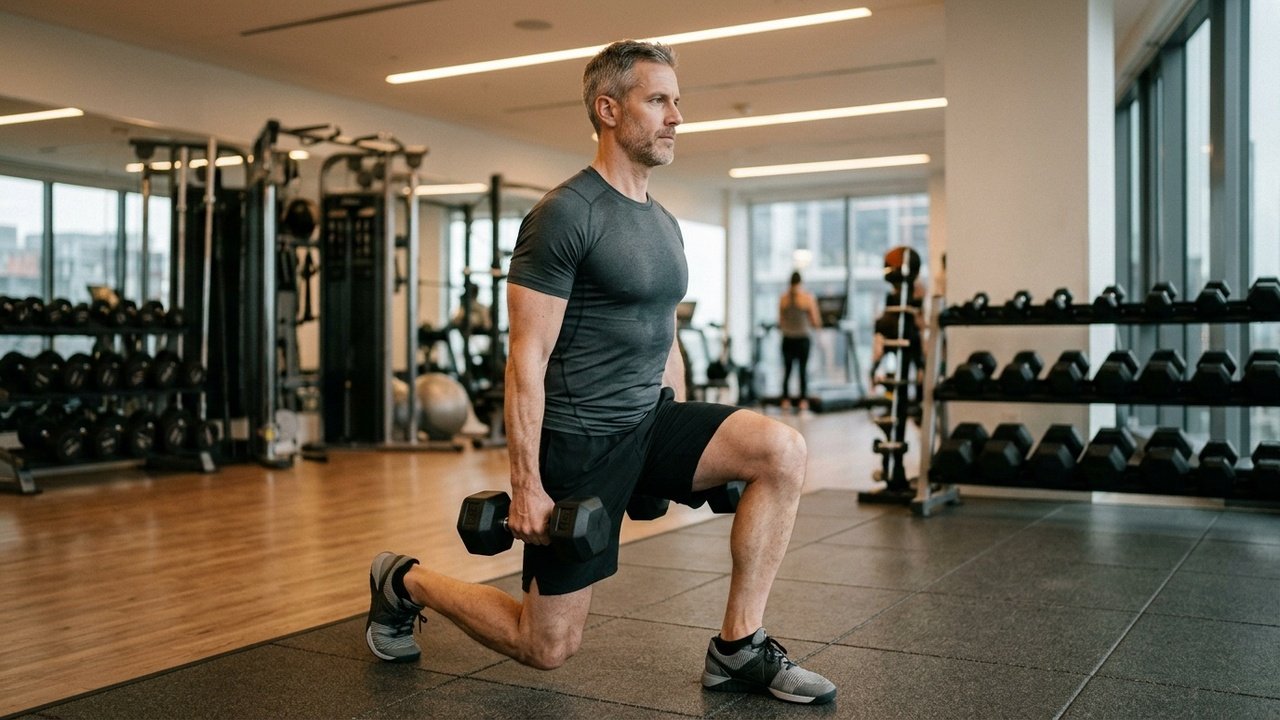
Somewhere along the way, a lot of people convinced themselves that lifting weights past 40 is risky, or worse, pointless. It’s neither. In fact, strength training after 40 matters more than it ever did in your twenties, because muscle mass naturally declines with age — a process called sarcopenia — starting around this exact decade.
A colleague of mine started lifting at 43, terrified of “hurting himself.” Two years later he’s stronger than he was at 30. That’s not unusual — it’s actually the norm when strength training after 40 is done properly and progressively.
Why Muscle Loss Accelerates After 40
After 40, adults can lose 3-8% of muscle mass per decade if they don’t actively work against it. This isn’t just about aesthetics — muscle loss directly affects metabolism, bone density, and fall risk later in life.
Quick answer: Strength training after 40 helps counter natural muscle loss (sarcopenia), which otherwise accelerates with age, while also supporting bone density, joint stability, and metabolic health — making it arguably more important now than in your 20s.
Start With a Proper Assessment
Before jumping in, especially if you’re new to lifting or returning after years off, get a basic checkup — blood pressure, joint mobility, any existing injuries. This isn’t about gatekeeping exercise; it’s about training smart instead of guessing.
Prioritize Compound Movements
Compound exercises work multiple muscle groups at once and give you the most benefit for your time:
- Squats (bodyweight or goblet squats to start)
- Deadlifts (start with lighter weights, focus on form)
- Push-ups or bench press
- Rows (using bands or dumbbells)
[link to related guide about home workouts here]
Two to three sessions a week hitting these movements builds a solid foundation.
Don’t Skip the Warm-Up (Seriously)
At 25, you might’ve gotten away with skipping warm-ups. At 40+, joints and tendons need more preparation time. Spend 8-10 minutes on dynamic stretches and light cardio before lifting anything heavier.
Focus on Form Over Ego Lifting
This is where most injuries happen — trying to lift what you used to lift, or what someone younger in the gym is lifting. Start lighter than you think you need to, nail the form, then progress gradually.
Quick answer: The biggest risk in strength training after 40 isn’t the training itself — it’s rushing weight progression before form is solid, which is when most avoidable injuries occur.
Build in Adequate Recovery Time
Recovery takes slightly longer after 40 compared to your 20s. Where a 25-year-old might recover fully in 24-48 hours, plan for 48-72 hours between training the same muscle group, and prioritize sleep and protein intake.
Protein Intake Matters More Now
Aim for roughly 1.2-1.6 grams of protein per kg of body weight daily if you’re strength training regularly — higher than the general population recommendation, since muscle protein synthesis becomes slightly less efficient with age.
Track Progress, Not Just Weight Lifted
Progress after 40 might show up as better mobility, less joint pain, improved posture — not just heavier numbers on the bar. I’d actually argue these markers matter more long-term than pure strength numbers.
Frequently Asked Questions
Q: Is it safe to start lifting weights for the first time after 40? Yes, with proper form and gradual progression — many people start strength training for the first time in their 40s, 50s, or even later with great results.
Q: How many days a week should I train after 40? 2-4 days is a solid range for most people, allowing adequate recovery between sessions targeting the same muscles.
Q: Do I need a personal trainer for strength training after 40? Not mandatory, but a few sessions to learn correct form for major lifts is genuinely worth the investment, especially if you’re new to this.
Q: Can strength training help with joint pain? Often yes — building muscle around joints, especially knees and hips, can reduce pain by improving stability, though check with a doctor if pain is severe.
Q: How long until I see noticeable strength gains? Most people notice strength improvements within 4-6 weeks, with visible muscle changes taking 3-4 months of consistent training.
Conclusion
Strength training after 40 isn’t about chasing your 25-year-old self — it’s about building a stronger, more resilient body for the decades ahead. Start with two sessions a week, focus on form, and give yourself credit for showing up consistently, not for how much weight is on the bar.
Suggested alt text: “Person doing strength training after 40 with proper form” Suggested alt text: “Compound exercise routine for strength training after 40”