Gym memberships are expensive, and honestly, plenty of people just feel intimidated walking into one. If that’s you, good news — a proper home workout without equipment can build real strength and stamina, no dumbbells required.
I started working out during a monsoon when stepping out was genuinely impossible for weeks. What began as a lazy backup plan turned into my main routine, because a solid home workout without equipment removes every excuse — no commute, no membership fee, no waiting for machines.
Why Bodyweight Training Actually Works
Bodyweight exercises use your own resistance, which is more than enough for building strength, especially for beginners. Squats, push-ups, and lunges have built strong bodies for centuries, long before gym equipment existed.
Quick answer: A home workout without equipment can be just as effective as gym training for beginners, since bodyweight exercises like squats, push-ups, and planks build genuine strength and endurance using your own body’s resistance.
The Essential Beginner Circuit
Here’s a simple circuit you can do in about 20-25 minutes, three to four times a week:
- Squats — 3 sets of 12-15 reps
- Push-ups (knee push-ups if needed) — 3 sets of 8-12 reps
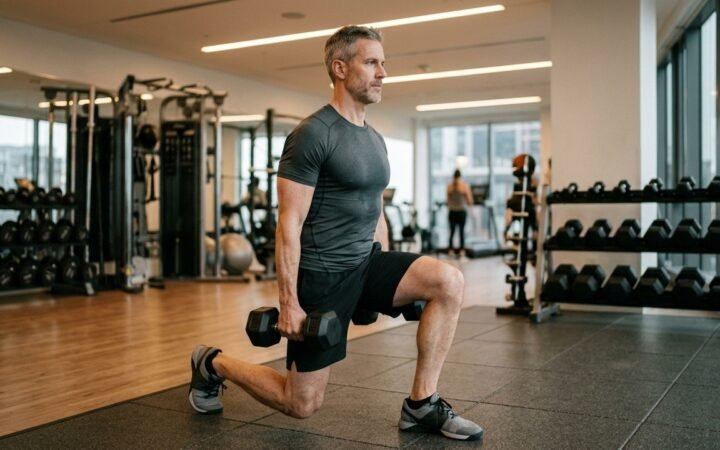
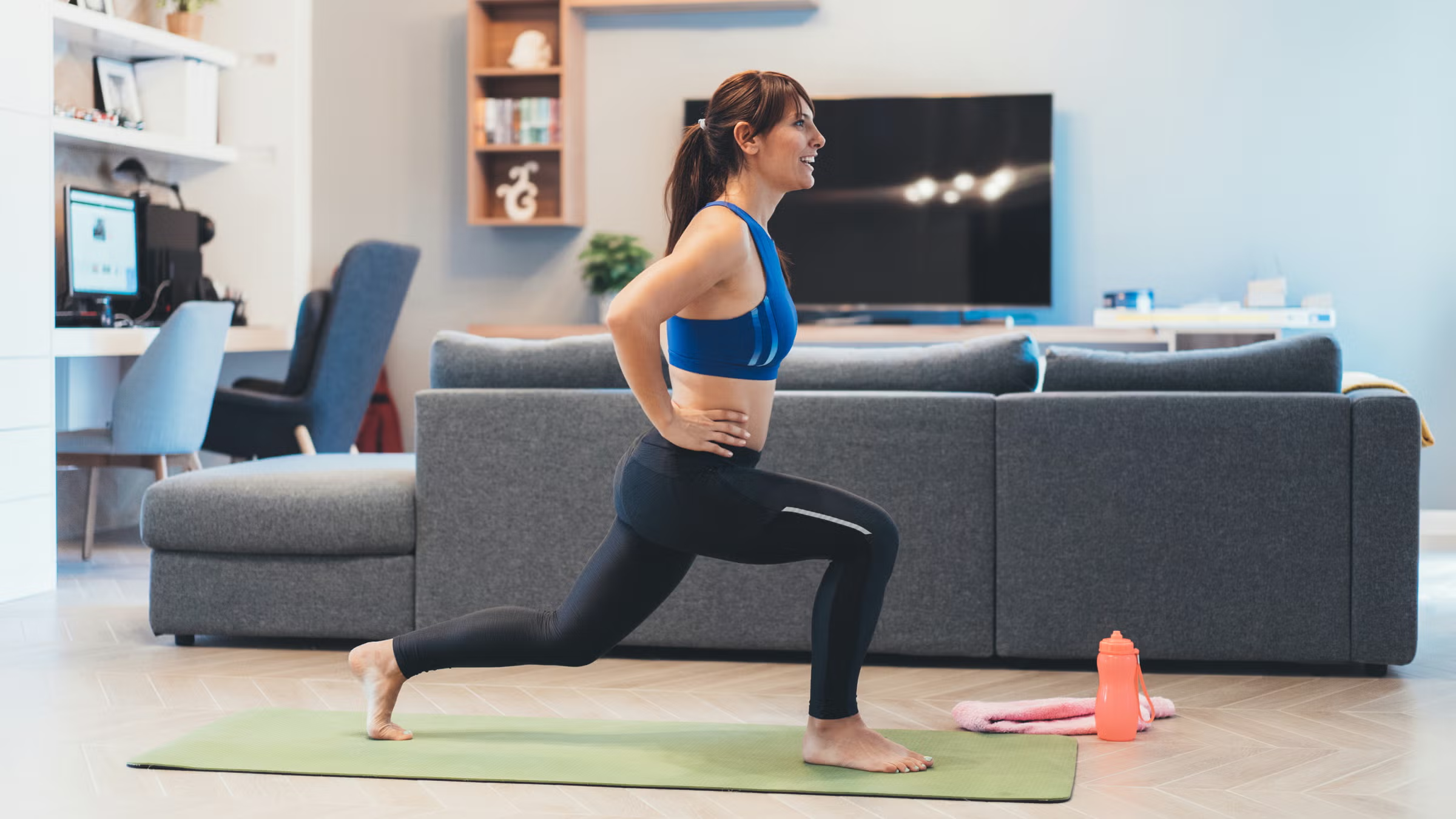
- Lunges — 3 sets of 10 reps per leg
- Plank hold — 3 sets of 20-30 seconds
- Glute bridges — 3 sets of 15 reps
Rest 30-45 seconds between sets. Don’t rush through these just to finish faster — form matters more than speed, especially early on.
Warming Up Properly
Skipping a warm-up is a rookie mistake that leads to unnecessary injuries. Spend 5 minutes doing jumping jacks, arm circles, and bodyweight squats to get blood flowing before your actual workout.
[link to related guide about strength training here]
Progressing Without Weights
You might wonder how you keep getting stronger without adding heavier weights. There are actually several ways:
- Increase reps or sets gradually
- Slow down the movement (tempo training)
- Reduce rest time between sets
- Add single-limb variations (like single-leg squats)
I’ve noticed most beginners plateau not because bodyweight training stops working, but because they never actually make it harder.
Building Cardio Without a Treadmill
Jump rope (if you have one, though not strictly required), high knees, burpees, and mountain climbers all get your heart rate up fast. Even 10 minutes of these mixed together beats a lazy 30-minute walk for cardiovascular benefit.
Quick answer: For a home workout without equipment that improves cardiovascular fitness, alternating 30-second bursts of high knees, jumping jacks, and mountain climbers with short rest periods for 10-15 minutes works as well as many treadmill sessions.
Common Beginner Mistakes to Avoid
- Doing too much too soon and burning out by week two
- Ignoring proper form to hit higher rep numbers
- Skipping rest days entirely (your muscles need 48 hours to recover)
- Comparing your week-one performance to someone else’s year-three progress
Staying Consistent Without a Gym Environment
No gym atmosphere, no trainer watching — staying motivated at home takes a different kind of discipline. Set a specific time daily, put on music that gets you pumped, and consider tracking workouts in a simple notebook or app to see progress over weeks.
When to Consider Adding Light Equipment
Eventually, resistance bands or a couple of dumbbells (₹500-1000 for basic ones) can add variety once bodyweight exercises feel too easy — usually after 8-12 weeks of consistent training for most beginners.
Frequently Asked Questions
Q: Can I really build muscle without weights? Yes, especially as a beginner — bodyweight training provides more than enough resistance to build noticeable strength and muscle in the first several months.
Q: How often should beginners work out at home? 3-4 days a week with rest days in between is ideal for beginners to avoid burnout and allow recovery.
Q: Do I need a mat for home workouts? Not strictly, but a mat or towel makes floor exercises like planks and glute bridges more comfortable.
Q: How long before I see results from a home workout without equipment? Most beginners notice strength improvements within 3-4 weeks and visible changes within 8-12 weeks with consistency.
Q: Is it okay to work out every day? Not recommended for beginners — muscles need recovery time, so at least 1-2 rest days weekly is important.
Conclusion
You genuinely don’t need a fancy setup to get fit — a consistent home workout without equipment beats an inconsistent gym membership every single time. Start with the beginner circuit above, three days this week, and build from there.
Suggested alt text: “Beginner doing home workout without equipment in living room” Suggested alt text: “Bodyweight squat exercise for home workout without equipment”