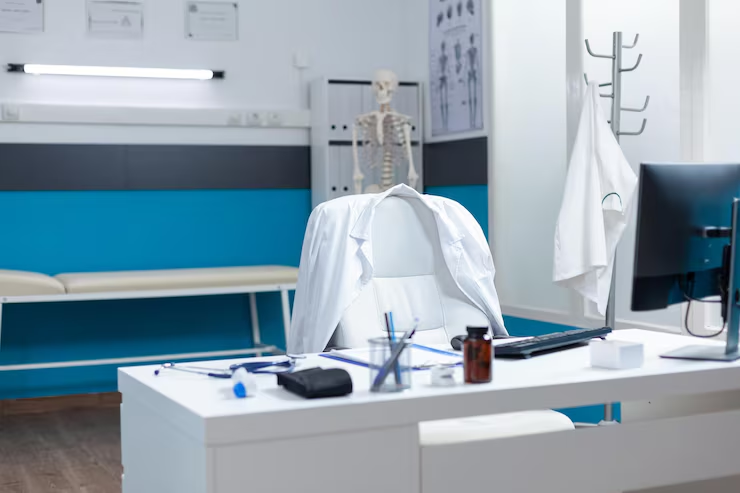
Modern healthcare facilities need imaging systems that support accurate diagnosis while keeping patient movement and staff workload manageable. Today, radiology solutions are designed around speed, workflow efficiency, image quality, and practical room planning. From a well-organised DR room to flexible mobile radiography, technology can help imaging teams handle different clinical needs with greater consistency.
Improving Efficiency in the DR Room
A properly planned DR room can make a noticeable difference in daily operations. Equipment placement, patient access, detector handling, and staff movement should all be considered during planning.
A well-designed DR room should also support different patient requirements. Clear pathways and accessible equipment can be especially useful when imaging patients with limited mobility. Efficient layouts may also reduce delays between examinations and help staff maintain a smoother schedule.
The Role of Mobile Radiography
Not every patient can easily reach a fixed imaging room. Mobile radiography allows healthcare teams to perform examinations closer to the patient, including in intensive care units, emergency areas, recovery rooms, and other clinical spaces. This approach can reduce the need to move patients who require continuous monitoring or assistance.
Modern mobile radiography systems are designed to support practical bedside imaging while maintaining workflow flexibility. When combined with suitable radiology solutions, mobile systems can become an important part of a wider imaging service rather than simply an alternative to fixed equipment.
Supporting Reliable Image Management
Image processing and documentation are also important parts of a modern imaging workflow. A system such as drystar 5302 can support the production of diagnostic images and printed records in healthcare environments where physical output remains necessary.
The Drystar 5302 can be considered alongside other radiology solutions when healthcare providers review their imaging and printing requirements. The focus should remain on dependable operation, compatibility with existing workflows, and ease of use for staff.
Planning for Different Clinical Needs
Healthcare facilities should assess their patient volume, available space, examination types, and staffing requirements before investing in imaging technology. Mobile radiography may be valuable where bedside examinations are common, while a dedicated DR room can support routine examinations in a controlled environment.
Using complementary radiology solutions can also help facilities create a more connected workflow. The right combination depends on clinical priorities, infrastructure, maintenance requirements, and long-term plans.
Regular evaluation is equally important, as equipment needs can change with patient volumes, clinical services, staffing patterns, and advances in digital imaging technology over time rapidly.
Conclusion
Efficient imaging is not only about individual equipment. It depends on how technology, room design, workflow, and staff practices work together. From a practical DR room to flexible mobile radiography and dependable image output such as the Drystar 5302, each element can contribute to a smoother imaging process.
For healthcare providers seeking dependable imaging technology, the featured solutions focus on practical workflows, consistent performance, and adaptable radiology environments. With solutions designed for different clinical settings, the offering supports facilities looking to improve imaging operations while maintaining a strong focus on usability and everyday healthcare needs.