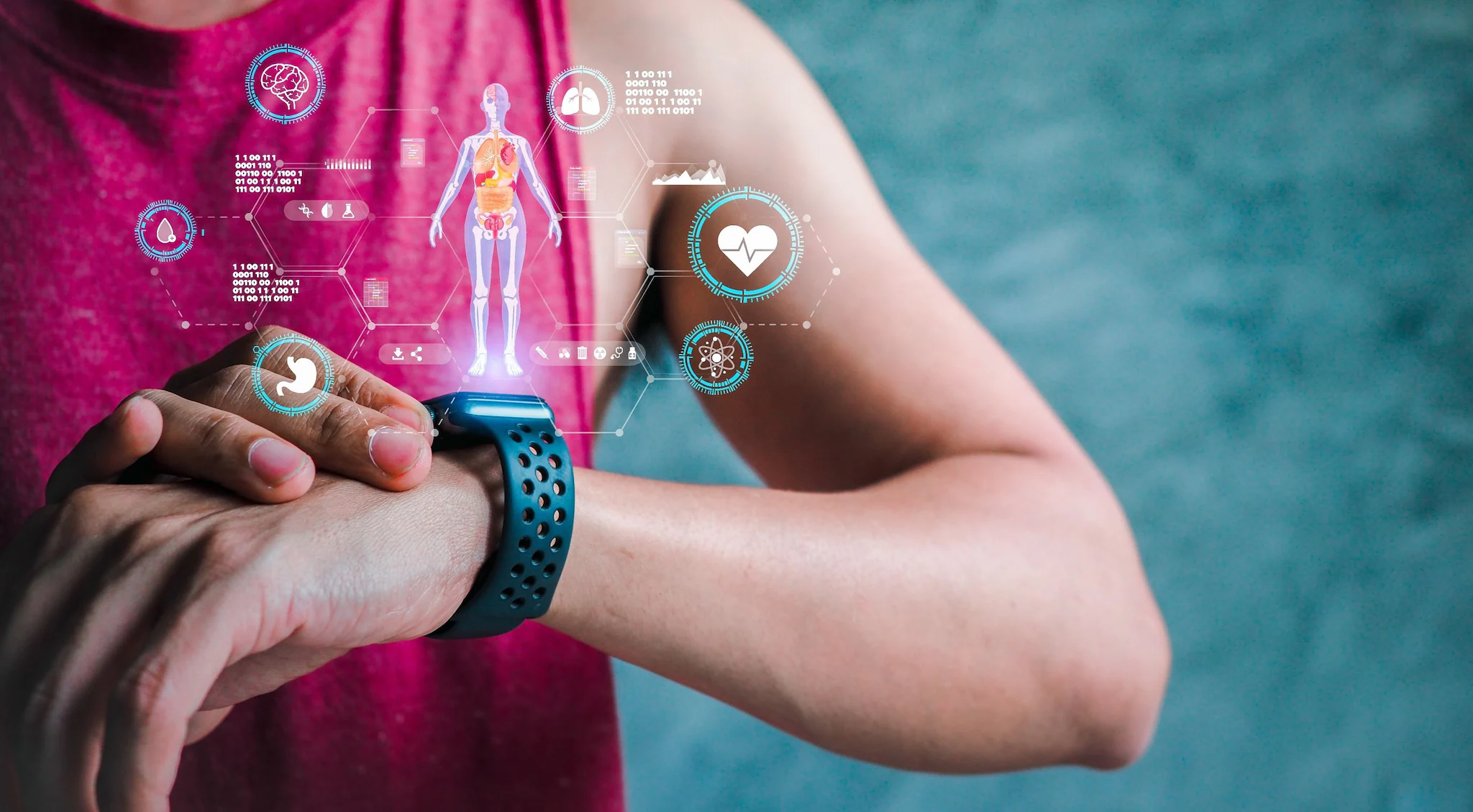
A decade ago, checking your heart rate meant a doctor’s visit or a manual pulse count. Now it’s a glance at your wrist. Wearable health devices have quietly become one of the most significant shifts in personal healthcare, moving monitoring from occasional clinical checkups to continuous, everyday data.
I was skeptical when I first got a fitness tracker, assumed it was just a glorified pedometer. Then it flagged an unusually elevated resting heart rate pattern over a few weeks, which turned out to be worth mentioning to my doctor. That’s honestly when I started taking wearable health devices seriously as more than a fitness gimmick.
What Wearable Health Devices Actually Track Now
Modern devices in 2026 go well beyond step counting:
- Heart rate and heart rate variability (HRV)
- Blood oxygen saturation (SpO2)
- Sleep stages and quality
- ECG readings for irregular heart rhythm detection
- Skin temperature variations
- Some newer devices offer continuous glucose monitoring integration
Quick answer: Modern wearable health devices track far more than steps — heart rate variability, blood oxygen, sleep stages, and even ECG readings for irregular rhythm detection are now standard on many mid-range and premium devices as of 2026.
Early Detection of Health Patterns
One of the most genuinely valuable applications is spotting patterns before they become obvious symptoms. Elevated resting heart rate over days, disrupted sleep patterns, or irregular heart rhythm alerts have prompted many users to seek medical evaluation earlier than they otherwise might have.
[link to related guide about early signs of health problems here]
Chronic Disease Management
For people managing diabetes, hypertension, or heart conditions, wearables paired with apps provide continuous data that helps both patients and doctors make more informed adjustments to treatment, rather than relying solely on occasional clinic visits and self-reported symptoms.
Sleep Tracking and Its Real Value
Quick answer: While wearable sleep tracking isn’t as clinically precise as a formal sleep study, it’s genuinely useful for identifying broad patterns — like consistently short sleep duration or highly fragmented sleep — that can prompt users toward better habits or, when patterns are concerning, a proper medical sleep evaluation.
Fitness and Activity Motivation
Beyond medical applications, the simple act of seeing your daily activity data has a measurable behavioral effect for many people — closing rings, hitting step goals, or maintaining streaks genuinely motivates more consistent movement for a meaningful portion of users.
Limitations Worth Understanding
I’ve noticed people sometimes treat wearable data as more definitive than it actually is. Consumer devices aren’t medical-grade instruments — accuracy varies, and readings can be affected by skin tone, movement, and device placement. They’re useful for trends, not for diagnosis.
- Not a replacement for professional medical diagnosis
- Accuracy varies between brands and even individual users
- Can occasionally increase health anxiety through over-monitoring
Privacy and Data Considerations
As wearable health devices collect increasingly detailed health data, understanding how that data is stored, shared, and potentially sold matters. Reviewing privacy policies and understanding what data syncs to third-party apps is worth the ten minutes it takes, given how sensitive health data actually is.
Where the Technology Is Heading
Continuous glucose monitors are increasingly integrating with mainstream wearables, and some devices are exploring blood pressure estimation without a cuff, though accuracy for this specific feature is still developing as of 2026. The line between consumer wearables and clinical-grade monitoring continues to blur.
Frequently Asked Questions
Q: Are wearable health devices accurate enough to replace doctor visits? No — they’re valuable for tracking trends and prompting earlier medical attention, but shouldn’t replace professional diagnosis or regular checkups.
Q: Can wearable devices detect heart problems? Some higher-end devices with ECG features can detect irregular rhythms like atrial fibrillation, which has prompted many users to seek confirmed medical diagnosis, but they’re a screening tool, not a diagnostic one.
Q: Do cheaper wearable health devices work as well as expensive ones? Budget devices often track basic metrics reasonably well, but accuracy for advanced features like SpO2 and ECG tends to improve significantly with higher-end devices.
Q: Is my health data from a wearable device private? It depends heavily on the manufacturer’s policies — always review privacy settings and understand what data is shared with third parties before extensive use.
Q: Should I be worried if my wearable device shows an irregular reading? Isolated readings aren’t usually cause for panic, but persistent unusual patterns are worth discussing with your doctor rather than dismissing.
Conclusion
Wearable health devices have genuinely shifted how people engage with their own health data, offering earlier awareness of patterns that used to go unnoticed between checkups. Use them as a helpful trend-tracking tool, not a diagnostic authority, and always follow up concerning patterns with an actual doctor.
Suggested alt text: “Wearable health devices tracking heart rate and sleep data” Suggested alt text: “Person checking wearable health device app for health trends”