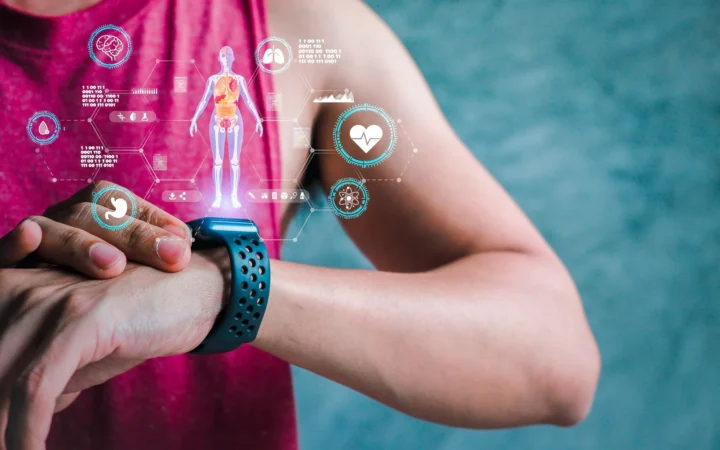
Scroll through any app store’s health category and you’ll find hundreds of options promising to transform your fitness, sleep, or mental wellness. Finding the actual best health apps 2026 has to offer, without downloading fifteen apps you’ll delete within a week, takes a bit of filtering.
I’ve cycled through more health apps than I’d like to admit, most abandoned within days because they were either too complicated or just didn’t fit how I actually live. What’s helped is focusing on a small handful of genuinely useful categories rather than chasing every trending app claiming to be among the best health apps 2026.
Fitness and Workout Tracking Apps
Quick answer: Among the best health apps 2026 for fitness tracking, the strongest options combine workout logging with progressive overload suggestions and integrate directly with wearable devices, rather than functioning as standalone trackers disconnected from your actual activity data.
Look for apps offering exercise libraries with proper form guidance, progress tracking over time, and integration with any wearable device you already own — fragmented data across multiple apps quickly becomes frustrating to manage.
Nutrition and Food Tracking Apps
Good nutrition apps in 2026 go beyond basic calorie counting, offering:
- Macro and micronutrient breakdowns, not just calories
- Barcode scanning for quick, accurate logging
- Recognition of regional/Indian foods specifically, which many international apps historically handled poorly
- Realistic goal-setting rather than aggressive, unsustainable targets
[link to related guide about wearable health devices here]
Sleep Tracking and Improvement Apps
Beyond simple sleep tracking, the more useful apps in this category now offer personalized recommendations based on your actual sleep patterns — adjusting bedtime suggestions, identifying disruptive habits, and sometimes integrating white noise or guided wind-down routines.
Mental Health and Mindfulness Apps
Quick answer: The most effective mental health apps in 2026 combine evidence-based techniques like CBT (cognitive behavioral therapy) exercises with accessible daily check-ins, rather than relying purely on generic meditation content — look specifically for apps that cite their therapeutic approach.
Several apps now offer structured programs for anxiety, stress, and mood tracking, some with actual licensed therapist involvement in content development, which adds credibility beyond generic wellness content.
Medication and Health Record Management Apps
For anyone managing chronic conditions or multiple medications, apps that centralize prescription reminders, refill tracking, and shareable health records with doctors have become genuinely practical, reducing the mental load of managing complex health routines.
Telemedicine and Doctor Consultation Apps
Video consultation apps have matured significantly, now often integrating with local pharmacy networks for prescription delivery and lab test bookings — genuinely useful for non-emergency consultations without the commute and wait time of an in-person visit.
Women’s Health and Cycle Tracking Apps
These apps have improved significantly in accuracy and privacy features, offering cycle prediction, symptom tracking, and in some cases, integration with fertility or PCOS management guidance based on logged symptoms over time.
Things to Consider Before Downloading Any Health App
- Check the privacy policy — health data is sensitive and shouldn’t be sold to third parties without clear disclosure
- Look for apps with actual clinical or expert input, not just generic wellness content
- Start with one app per category rather than overlapping multiple similar apps
- Free versions are often sufficient — don’t assume premium subscriptions are necessary immediately
Frequently Asked Questions
Q: Are free health apps as good as paid ones? Many free versions offer sufficient core functionality — premium features often add convenience rather than fundamentally better tracking accuracy.
Q: How do I know if a health app’s data is private and secure? Review the privacy policy specifically for third-party data sharing clauses, and look for apps that are transparent about their data practices.
Q: Can health apps replace professional medical advice? No — they’re valuable tools for tracking and awareness, but shouldn’t replace consultations with qualified doctors for actual diagnosis or treatment decisions.
Q: Which type of health app should I start with if I want to try just one? Start with whatever addresses your most pressing concern — if sleep is your biggest issue, start there rather than trying to overhaul everything at once.
Q: Do health apps work well for Indian users specifically? Increasingly yes — many apps have improved regional food databases and localized content, though it’s worth checking specifically before committing to nutrition-focused apps.
Conclusion
The best health apps 2026 has to offer aren’t necessarily the flashiest or most popular ones — they’re the ones that genuinely fit your specific goals and that you’ll actually keep using past the first week. Pick one category that matters most to you right now, try two or three well-reviewed options, and commit to the one that actually sticks.
Suggested alt text: “Best health apps 2026 dashboard tracking fitness and sleep” Suggested alt text: “Person using top health app for nutrition tracking”