You smile for a photo and immediately zoom in to check your teeth. If that’s you, you’ve probably already searched for teeth whitening at home methods at some point. The good news is there are genuinely safe options — the bad news is that half the internet’s advice on this topic can actually damage your enamel.
I tried the whole baking soda and lemon juice combo years ago after seeing it online, and my teeth felt sensitive for a week afterward. Lesson learned the hard way — not every popular teeth whitening at home trend is actually safe, even if it’s trending everywhere.
Why Teeth Yellow in the First Place
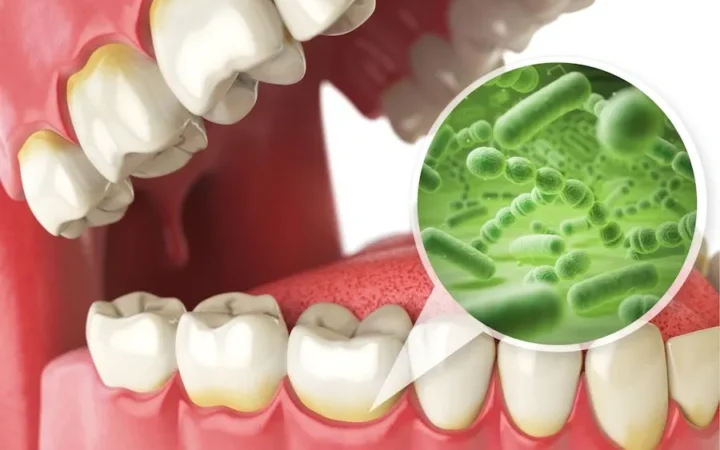
Teeth naturally yellow with age as enamel thins and the underlying dentin (which is yellowish) shows through more. Staining from coffee, tea, tobacco, and certain foods adds to this, sitting on the enamel surface.
Quick answer: Teeth yellow due to two main factors — natural enamel thinning with age exposing the yellow dentin underneath, and surface staining from foods, drinks like coffee and tea, and tobacco use over time.
Safe Options That Actually Work
Whitening Toothpaste With Proper Ingredients
Look for toothpaste containing mild abrasives or low-concentration peroxide, used as directed. These work primarily on surface stains, not deep discoloration, and results appear gradually over 2-6 weeks.
Oil Pulling — With Realistic Expectations
Coconut oil pulling (swishing oil in your mouth for 10-15 minutes) has some evidence for reducing surface bacteria and plaque, which can indirectly help with brightness. It won’t dramatically whiten teeth, but it’s a low-risk daily habit.
[link to related guide about causes of bad breath here]
Whitening Strips From Reputable Brands
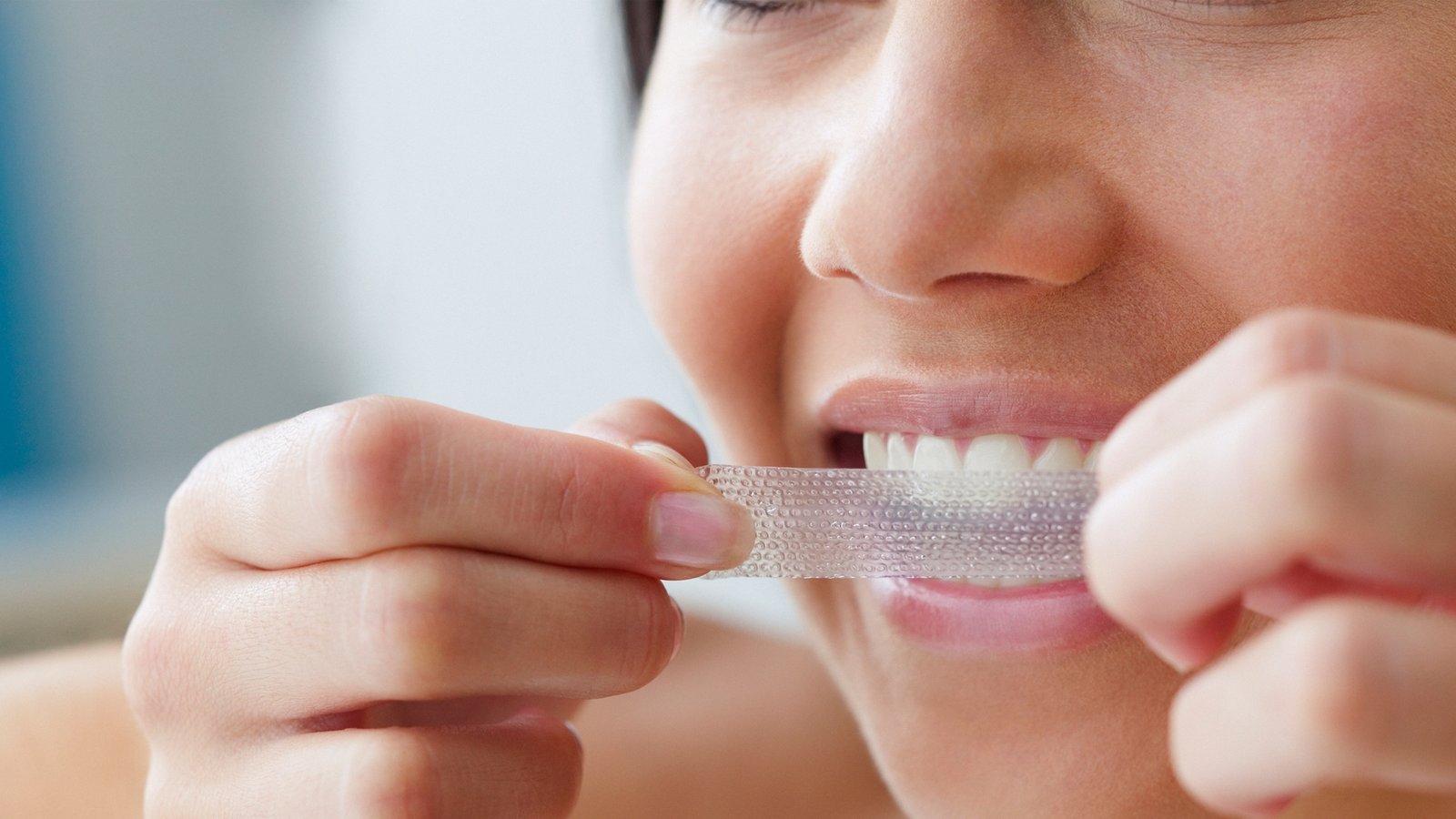
Over-the-counter whitening strips with peroxide-based formulas, used as directed (usually not exceeding recommended duration), are among the more effective at-home options with decent research backing.
Home Remedies to Avoid
This is genuinely important — some popular “natural” methods do more harm than good:
- Lemon juice and baking soda — the acidity erodes enamel over repeated use
- Activated charcoal — abrasive and can wear down enamel with frequent use, despite trending online
- Undiluted apple cider vinegar — too acidic for direct contact with teeth
- Aggressive scrubbing with baking soda alone — mechanically damages enamel over time
Quick answer: Popular home remedies like lemon juice, undiluted vinegar, and frequent charcoal scrubbing are best avoided for teeth whitening at home, since their acidity or abrasiveness can erode enamel permanently, causing more sensitivity and yellowing long-term.
Diet Changes That Support Whiter Teeth
- Rinse with water after coffee, tea, or wine rather than letting stains sit
- Crunchy fruits and vegetables like apples and carrots help mechanically clean teeth
- Limit frequency of staining beverages, not necessarily eliminate them entirely
- Stay hydrated — saliva naturally helps clear away staining particles
When to See a Dentist Instead
If home methods aren’t giving results after 4-6 weeks, or if yellowing is significant, professional whitening at a dental clinic uses higher-concentration treatments under supervision, which is both faster and safer for deeper discoloration.
Quick answer: If at-home teeth whitening methods show no visible improvement after 4-6 weeks of consistent use, or if discoloration is severe, professional in-clinic whitening offers stronger, dentist-supervised results with lower risk of enamel damage.
Maintaining Results Long-Term
Whitening isn’t permanent — most results last a few months to a year depending on your diet and oral hygiene habits. Regular brushing, occasional touch-ups with whitening toothpaste, and limiting staining foods help maintain the effect.
Frequently Asked Questions
Q: Is teeth whitening at home safe for sensitive teeth? Choose formulas specifically labeled for sensitive teeth, and start with shorter application times — if sensitivity persists, consult a dentist before continuing.
Q: How long does natural teeth whitening take to show results? Most gentle methods show gradual results over 2-6 weeks with consistent use — dramatic overnight whitening usually indicates a harsher, riskier method.
Q: Can whitening damage tooth enamel? Overuse of acidic or abrasive methods can, yes — but properly formulated whitening toothpaste and strips used as directed are generally safe for enamel.
Q: Does teeth whitening work on all types of stains? No — surface stains respond well to most methods, but deeper discoloration from medication or trauma often requires professional treatment.
Q: How often should I do at-home whitening treatments? Follow product instructions closely — most strips and gels shouldn’t be used more than the recommended cycle, often once every few months, to avoid enamel sensitivity.
Conclusion
Teeth whitening at home can genuinely work when you pick safe, evidence-based methods and skip the risky viral trends. Start with a good whitening toothpaste and consistent oral hygiene, and give it a few weeks before assuming it’s not working.
Suggested alt text: “Person using safe teeth whitening at home method” Suggested alt text: “Whitening toothpaste and dental care products for home use”