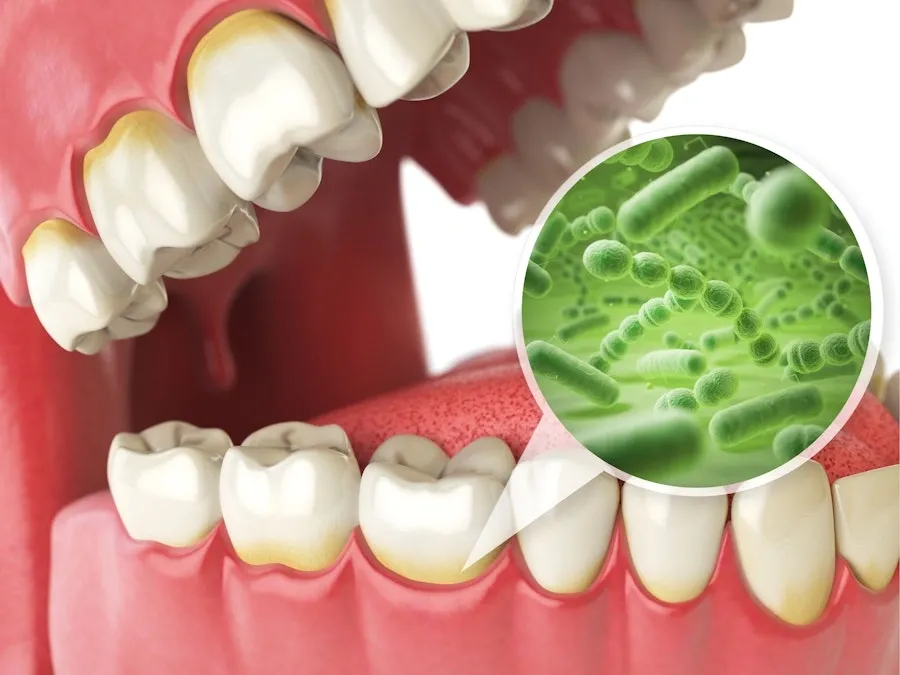
You brush, you use mouthwash, and somehow the bad breath is still there by afternoon. If this sounds familiar, the issue probably isn’t your brushing technique — it’s likely one of several underlying causes of bad breath that mouthwash alone won’t fix.
A friend of mine dealt with persistent bad breath for years, tried every mouthwash on the market, and it turned out to be a sinus issue all along — not a dental one. That’s the thing about the causes of bad breath — they’re often not where you’d expect.
Poor Oral Hygiene — The Obvious One
Food particles left between teeth break down and produce sulfur compounds, which is what causes that unpleasant smell. Bacteria on the tongue, especially the back portion, are actually one of the biggest contributors people overlook entirely.
Quick answer: One of the most common causes of bad breath is bacteria buildup on the tongue’s surface, particularly toward the back — brushing teeth alone misses this, which is why tongue scraping is often more effective than mouthwash for fixing chronic bad breath.
Dry Mouth (Xerostomia)
Saliva naturally washes away bacteria and food particles. When your mouth is dry — from mouth breathing while sleeping, certain medications, or just not drinking enough water — bacteria multiply faster, leading to noticeably worse breath, especially in the morning.
Gum Disease
Persistent bad breath despite good hygiene can signal gum disease (gingivitis or periodontitis), where bacteria collect below the gum line in ways regular brushing can’t reach. This needs professional dental cleaning, not just better home care.
[link to related guide about teeth whitening here]
Certain Foods and Drinks
Garlic, onions, and coffee don’t just leave a taste — their compounds actually enter your bloodstream and get expelled through your lungs, which is why brushing doesn’t fully eliminate the smell until your body processes them out, sometimes taking several hours.
Sinus and Throat Issues
Postnasal drip from sinus infections or allergies creates a breeding ground for odor-causing bacteria at the back of the throat. If bad breath correlates with congestion or allergy season, this might be your actual culprit, not your dental routine.
Quick answer: Chronic sinus issues and postnasal drip are surprisingly common causes of bad breath, since mucus draining down the throat provides bacteria with exactly the environment they need to produce foul-smelling compounds — a dental checkup alone won’t fix this.
Digestive Issues
Less commonly, acid reflux (GERD) can contribute to bad breath as stomach acid and partially digested food odors travel back up the esophagus. If bad breath comes with a sour taste or heartburn, this connection is worth mentioning to your doctor.
Practical Fixes That Actually Work
- Scrape your tongue daily, not just brush it — a proper tongue scraper reaches bacteria brushing misses
- Stay hydrated throughout the day, not just at meals
- Floss daily — brushing alone misses roughly 40% of tooth surfaces
- Chew sugar-free gum to stimulate saliva production between meals
- Get a professional dental cleaning every 6 months
When to See a Dentist or Doctor
If bad breath persists despite improved oral hygiene for 2-3 weeks, it’s worth ruling out gum disease, sinus issues, or digestive causes with a professional rather than continuing to cycle through different mouthwashes.
Frequently Asked Questions
Q: Can bad breath be a sign of a serious health condition? Occasionally yes — persistent bad breath despite good oral hygiene can indicate gum disease, sinus infections, or digestive issues that need proper evaluation.
Q: Does mouthwash actually fix bad breath long-term? It masks odor temporarily but doesn’t address underlying causes like tongue bacteria or gum disease — treat it as a supplement, not a solution.
Q: Why is bad breath worse in the morning? Saliva production drops significantly during sleep, allowing bacteria to multiply overnight, which is why morning breath is nearly universal.
Q: Can diet changes reduce bad breath? Yes — reducing sugar intake (bacteria feed on it), staying hydrated, and eating crunchy vegetables that mechanically clean teeth all help.
Q: How often should I use a tongue scraper? Daily, ideally as part of your morning routine, since tongue bacteria rebuild significantly overnight.
Conclusion
Persistent bad breath usually has a specific, identifiable cause — it’s rarely just “bad luck.” Once you understand the actual causes of bad breath in your case, whether it’s tongue bacteria, dry mouth, or something else, fixing it becomes a lot more straightforward than cycling through mint after mint.
Suggested alt text: “Person addressing causes of bad breath with tongue scraper” Suggested alt text: “Dental checkup to identify causes of bad breath”