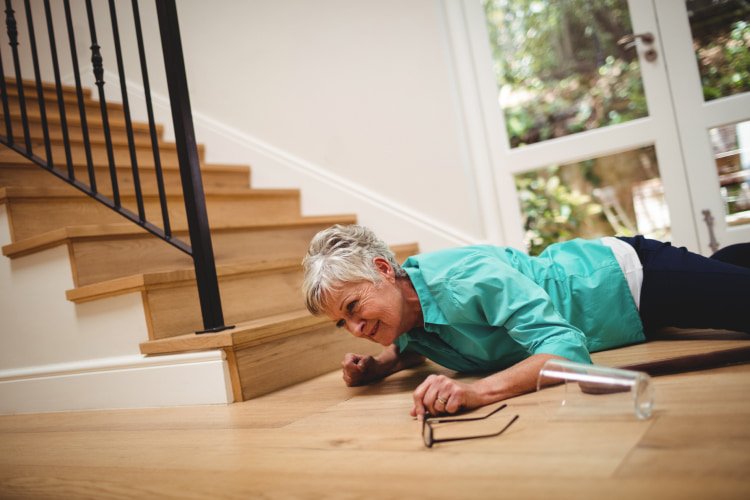
One fall. That’s often all it takes to turn an independent senior into someone requiring months of recovery, or worse. Learning how to prevent falls in elderly family members isn’t overly dramatic caution — it’s genuinely one of the highest-impact things families can do, given how common and serious these incidents are.
My grandmother fell in her bathroom two years ago, just a small slip on a wet tile, and it led to a hip fracture that changed her mobility permanently. Looking back, most of the risk factors were fixable — which is exactly why understanding how to prevent falls in elderly loved ones matters before an incident happens, not after.
Why Falls Are So Serious for Seniors
Quick answer: Falls are the leading cause of injury-related death among adults 65 and older, with hip fractures being particularly serious since they often lead to significant loss of independence and increased mortality risk within the following year.
Remove Common Home Hazards
- Loose rugs and carpets — either remove or secure with non-slip backing
- Cluttered walkways, cords, and furniture in high-traffic paths
- Poor lighting, especially on stairs and hallways at night
- Wet or slippery bathroom floors without proper mats
[link to related guide about diet plan for senior citizens here]
Walk through the home specifically looking for these hazards — it’s genuinely easy to overlook things you’ve walked past for years.
Improve Bathroom Safety Specifically
Bathrooms are where a huge proportion of senior falls happen, due to wet, hard surfaces. Consider:
- Grab bars near the toilet and inside the shower
- Non-slip mats both inside and outside the shower/tub
- A shower chair for seniors with balance concerns
- Raised toilet seats if mobility is limited
Ensure Proper Lighting Throughout
Motion-sensor night lights in hallways and bathrooms help enormously for nighttime bathroom trips, which are a particularly high-risk time for falls. Even a simple ₹300-500 investment in night lights can meaningfully reduce risk.
Review Medications Regularly
Quick answer: Certain medications, particularly sedatives, blood pressure drugs, and some combinations, can cause dizziness or balance issues that significantly increase fall risk — a regular medication review with a doctor can identify and adjust these risk factors.
Encourage Strength and Balance Exercises
Regular, appropriate exercise actually reduces fall risk significantly by improving strength, balance, and reaction time. Simple options include:
- Chair-based exercises for those with limited mobility
- Tai chi, which has strong research support for fall prevention
- Short daily walks, ideally with a stable, familiar surface
Proper Footwear Matters More Than People Think
Loose slippers or walking barefoot on smooth floors significantly increases slip risk. Well-fitting, non-slip footwear, even indoors, is a simple but often overlooked prevention step.
Get Vision and Hearing Checked Regularly
Declining vision is a major, often underestimated contributor to falls — annual eye exams become increasingly important with age. Hearing issues can also affect balance, since the inner ear plays a role in equilibrium.
Consider a Medical Alert System
For seniors living alone, a wearable medical alert device provides critical peace of mind and faster emergency response if a fall does occur, potentially preventing a minor incident from becoming a major medical emergency due to delayed help.
Frequently Asked Questions
Q: What’s the single most effective way to prevent falls in elderly people? Removing home hazards combined with regular strength and balance exercise together provide the most comprehensive protection, rather than relying on just one strategy.
Q: Do all seniors need mobility aids to prevent falls? No, not all — but if balance issues exist, a properly fitted cane or walker, recommended by a physical therapist, can significantly reduce fall risk.
Q: How often should home safety be reassessed for aging parents? At least annually, or whenever there’s a change in mobility, vision, or after any near-fall incident.
Q: Can exercise really reduce fall risk in seniors? Yes, significantly — research consistently shows balance and strength training programs like tai chi reduce fall risk by meaningful percentages in older adults.
Q: What should I do immediately if a senior falls? Don’t rush to move them if injury is suspected — check for pain or inability to move normally, and call for medical help if there’s any doubt about a fracture.
Conclusion
Learning how to prevent falls in elderly family members is one of the most practical, high-impact things you can do this month — most risk factors are genuinely fixable with small, affordable changes. Walk through your parent’s or grandparent’s home this weekend and address even two or three hazards; it’s a small effort that can prevent a life-altering incident.
Suggested alt text: “Grab bars installed to prevent falls in elderly at home” Suggested alt text: “Senior doing balance exercises to prevent falls”