Appetite changes, digestion slows, and nutritional needs shift significantly as we age — yet a lot of senior nutrition advice still just says “eat healthy” without any real specifics. A proper diet plan for senior citizens needs to address these age-specific changes directly, not just repeat generic dietary advice meant for younger adults.
My father-in-law, in his mid-70s, was eating the same portions and food types he had for decades, and slowly losing muscle mass without realizing why. Once his doctor recommended a proper diet plan for senior citizens tailored to his actual needs, his energy and strength noticeably improved within a couple of months.
Why Nutritional Needs Change With Age
Quick answer: As people age, protein needs actually increase relative to younger adults (to counter natural muscle loss), while calorie needs often decrease due to lower activity levels — meaning food quality and protein density become far more important than sheer quantity.
Prioritize Protein at Every Meal
Aging muscles need more protein per meal to trigger the same muscle-building response as younger bodies. Aim for roughly 25-30g of protein per meal:
- Dal, paneer, curd, and eggs for vegetarian options
- Fish and lean meats for non-vegetarian sources
- A protein source at breakfast specifically, which is often overlooked
Focus on Calcium and Vitamin D
Bone density naturally decreases with age, making calcium and vitamin D critical for reducing fracture risk. Dairy, fortified foods, and moderate sun exposure all contribute, though supplementation is often necessary, especially for vitamin D.
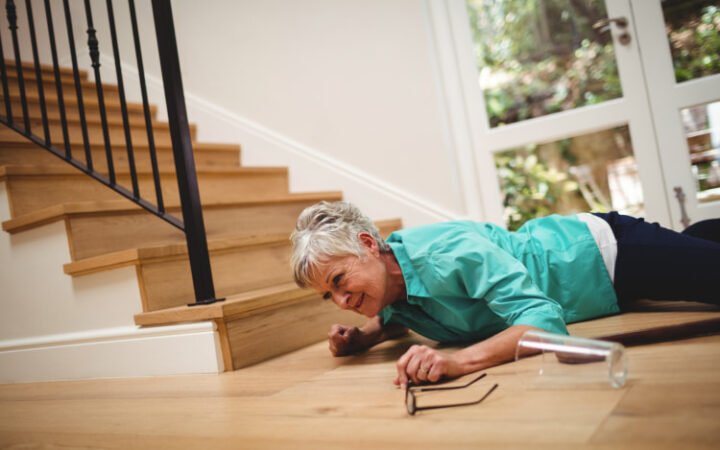
[link to related guide about preventing falls in elderly here]
Don’t Neglect Fiber
Digestive slowdown is common with age, making fiber increasingly important for regularity and gut health. Whole grains, vegetables, fruits with skin, and legumes should feature prominently in daily meals.
Stay Hydrated — Thirst Signals Weaken With Age
Quick answer: Older adults often experience a diminished thirst sensation, meaning they can become dehydrated without feeling thirsty — actively scheduling water intake throughout the day, rather than relying on thirst cues alone, becomes an important part of any diet plan for senior citizens.
Manage Portion Sizes and Meal Frequency
Smaller, more frequent meals often work better than three large meals, particularly for seniors with reduced appetite or digestive discomfort. 4-5 smaller meals can help ensure adequate nutrition without overwhelming digestion.
Address Common Deficiencies
Vitamin B12 absorption decreases with age, and deficiency is quite common in seniors, sometimes causing fatigue or cognitive symptoms that get mistakenly attributed to “just aging.” Regular blood tests can catch this early.
Adapt Food Textures if Needed
Chewing or swallowing difficulties (dysphagia) affect many seniors, sometimes leading to inadequate nutrition simply because eating becomes uncomfortable. Softer cooking methods, smaller bite sizes, and consulting a doctor about swallowing concerns can help maintain proper nutrition.
Limit Excess Sodium and Processed Foods
Blood pressure sensitivity to sodium often increases with age, and processed foods are a major hidden sodium source. Cooking fresh meals at home, when possible, gives much better control over sodium intake than packaged options.
Frequently Asked Questions
Q: How much protein do seniors actually need daily? Generally 1.0-1.2 grams per kg of body weight, higher than younger adults, though individual needs vary based on activity level and health conditions.
Q: Are multivitamins necessary for seniors? Not universally, but common deficiencies like B12 and vitamin D are frequent enough that a doctor-guided supplement plan is often reasonable.
Q: How can I help a senior with a reduced appetite eat enough? Smaller, more frequent, nutrient-dense meals work better than pushing large portions — focus on quality over quantity.
Q: Should seniors reduce carbohydrate intake significantly? Not necessarily — whole grain carbs provide important fiber and energy; the focus should be on limiting refined carbs rather than eliminating carbs broadly.
Q: Is it normal for appetite to decrease with age? Some decrease is common due to slower metabolism and reduced activity, but significant, sudden appetite loss should be evaluated by a doctor.
Conclusion
A thoughtful diet plan for senior citizens genuinely supports strength, immunity, and independence well into later years — it just requires more attention to protein, hydration, and specific nutrients than diets aimed at younger adults. Start by adding a protein source to breakfast this week; it’s a small change with a noticeably positive impact.
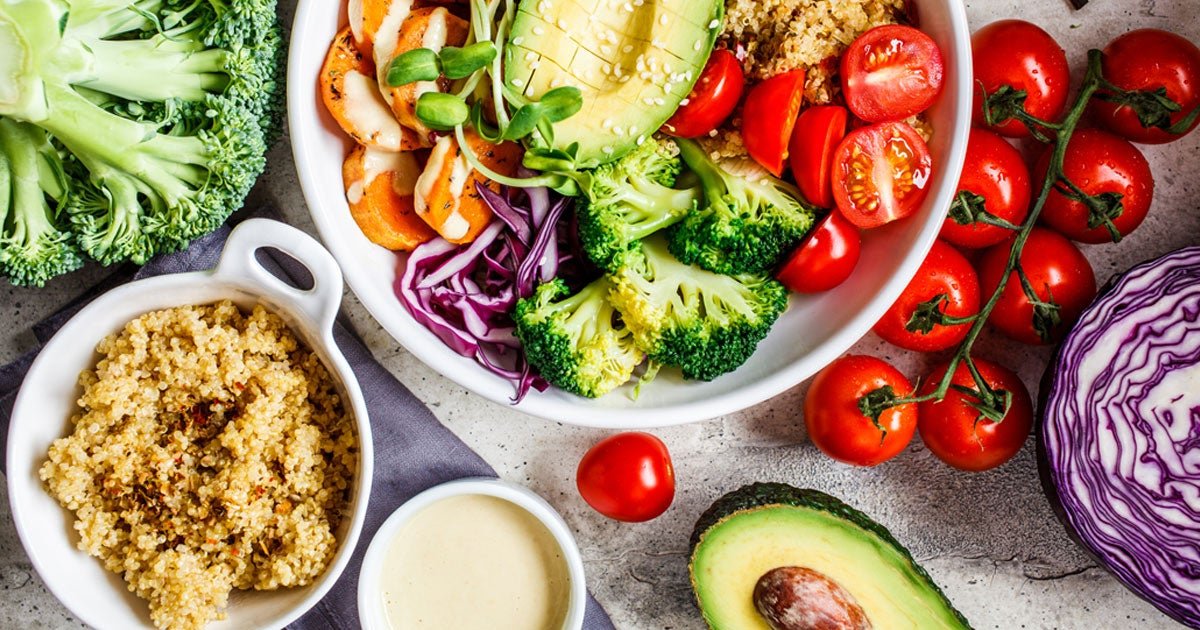
Suggested alt text: “Diet plan for senior citizens with protein rich foods” Suggested alt text: “Senior citizen enjoying balanced healthy meal”