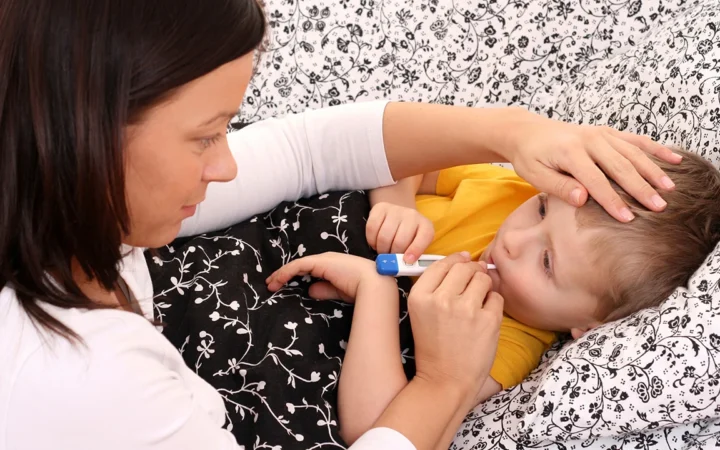
Every school season, it feels like your child catches one thing after another — cold, cough, stomach bug, repeat. If you’re exhausted from the cycle, learning how to boost child immunity naturally can genuinely reduce how often and how badly your kid gets sick, though it won’t make them completely immune to every bug going around.
My sister used to panic every time her son caught a cold, convinced something was seriously wrong. A pediatrician gently reminded her that kids under 6 catching 6-8 colds a year is actually normal, not a sign of weak immunity. Once she understood how to boost child immunity naturally meant supporting the process, not preventing every single illness, things got a lot less stressful.
Understanding Normal vs Concerning Illness Frequency
Quick answer: Children under 6 typically catch 6-8 respiratory infections annually — this is a normal part of immune system development, not necessarily a sign of weak immunity, and usually decreases significantly by school age as their immune system matures.
Prioritize Sleep for Immune Function
Children need significantly more sleep than adults — toddlers need 11-14 hours, school-age kids need 9-11 hours. Chronic sleep deprivation directly weakens immune response, making kids more susceptible to catching whatever’s going around.
Focus on a Nutrient-Dense, Varied Diet
- Colorful vegetables and fruits for vitamins and antioxidants
- Adequate protein for immune cell production
- Probiotic foods like curd, which support gut health (a major immune player)
- Limiting excessive processed sugar, which can suppress immune function temporarily
[link to related guide about common childhood illnesses here]
Encourage Regular Physical Activity
Active kids tend to have better immune function than sedentary ones. Outdoor play, in particular, offers the dual benefit of physical activity and moderate sun exposure for vitamin D.
Quick answer: Regular outdoor physical activity supports child immunity naturally through two mechanisms — moderate exercise improves circulation of immune cells, while sun exposure helps maintain healthy vitamin D levels, which plays a direct role in immune regulation.
Don’t Over-Sanitize Everything
This might sound counterintuitive, but some exposure to everyday germs helps build a well-regulated immune system, according to the “hygiene hypothesis.” Basic hygiene (handwashing, especially before meals) matters, but obsessive sanitizing of every surface isn’t necessary or particularly helpful.
Manage Stress in Kids Too
Yes, children experience stress that affects their immune function — from school pressure, family conflict, or major changes like moving homes. Consistent routines and emotional support genuinely play a role in physical immunity too.
Ensure Vaccination Schedules Are Up to Date
Vaccines remain one of the most effective ways to protect children from serious preventable illnesses. Following the recommended immunization schedule matters far more for serious disease prevention than any dietary supplement.
Consider Vitamin D Levels
Vitamin D deficiency is surprisingly common in children, even in sunny regions, due to indoor lifestyles and sunscreen use. If your child spends most time indoors, discuss vitamin D testing or supplementation with your pediatrician.
When Frequent Illness Might Need Medical Evaluation
If your child has recurring severe infections, infections that don’t respond to standard treatment, or other concerning symptoms alongside frequent illness, it’s worth discussing with a pediatrician rather than assuming it’s just normal childhood immunity building.
Frequently Asked Questions
Q: Can supplements really boost a child’s immunity? Most healthy children don’t need supplements if eating a varied diet — vitamin D is a common exception worth discussing with your pediatrician, particularly for kids with limited sun exposure.
Q: Is it normal for kids to get sick often in daycare or school? Yes — increased exposure to other children naturally means more frequent minor illnesses, especially in the first year or two of group settings.
Q: Does cold weather actually cause more illness in kids? Not directly — but people spending more time indoors in close contact during cold months increases germ transmission, which is the real factor.
Q: How much sleep does my child actually need? It varies by age — toddlers need 11-14 hours, preschoolers 10-13 hours, and school-age children 9-11 hours including any daytime naps.
Q: When should I worry about my child’s frequent illnesses? If illnesses are unusually severe, don’t respond to typical treatment, or come with other concerning symptoms, consult your pediatrician for further evaluation.
Conclusion
How to boost child immunity naturally really comes down to consistent basics — good sleep, varied nutrition, outdoor activity, and up-to-date vaccinations — rather than any single miracle supplement. Focus on these fundamentals, and remember that some illness, especially in younger years, is a normal part of healthy immune development.
Suggested alt text: “Child eating healthy meal to boost immunity naturally” Suggested alt text: “Kids playing outdoors supporting natural immunity”