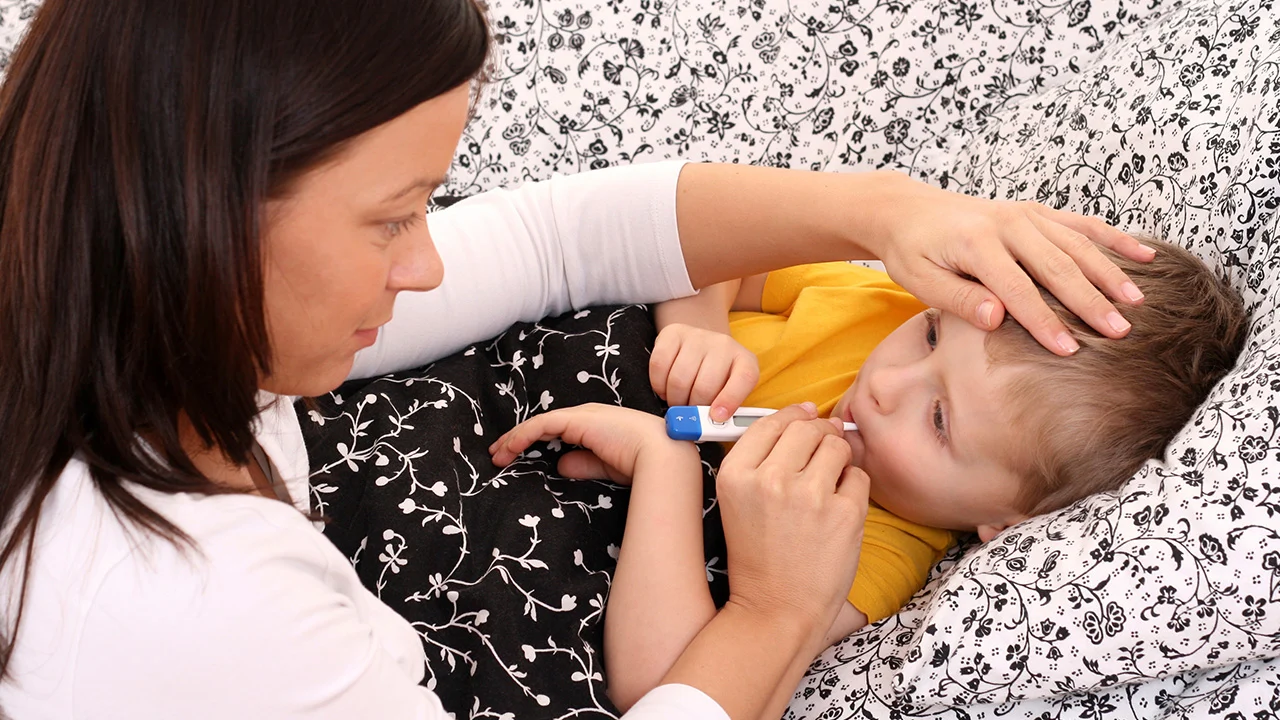
New parents often feel blindsided by how often kids get sick in the first few years. Understanding the most common childhood illnesses — what they actually look like and how to reasonably prevent them — takes a lot of the panic out of every sniffle and fever.
I remember calling the pediatrician in a mild panic over my nephew’s first fever, convinced it was something serious. Turned out to be a completely ordinary viral infection, gone in three days. Getting familiar with common childhood illnesses ahead of time would’ve saved a lot of unnecessary worry that night.
The Common Cold
By far the most frequent illness in childhood — young kids average 6-8 colds yearly. Symptoms include runny nose, mild cough, and sometimes low-grade fever, usually resolving within 7-10 days without specific treatment.
Quick answer: The common cold is the most frequent of all common childhood illnesses, with symptoms like runny nose and mild cough typically resolving in 7-10 days with rest, fluids, and no specific medication needed for most healthy children.
Ear Infections
Very common in young children due to their shorter, more horizontal Eustachian tubes, which drain less efficiently than in adults. Symptoms include ear tugging, irritability, and sometimes fever. Many resolve on their own, though persistent or severe cases need antibiotic treatment.
[link to related guide about boosting child immunity here]
Stomach Viruses (Gastroenteritis)
Vomiting and diarrhea, often accompanied by mild fever, typically lasting 1-3 days. The biggest concern is dehydration, not the illness itself — watch for reduced urination, lethargy, or dry mouth as warning signs needing medical attention.
Hand, Foot, and Mouth Disease
Common in toddlers and preschoolers, causing mouth sores, and a rash on hands and feet, along with mild fever. Highly contagious, especially in daycare settings, but usually resolves within a week with supportive care.
Chickenpox
Much less common now due to widespread vaccination, but still occurs occasionally. Characterized by itchy, blister-like rash spreading across the body along with mild fever. Vaccination has dramatically reduced both frequency and severity of cases.
Respiratory Infections (Bronchiolitis, RSV)
More concerning in infants and very young children, particularly RSV, which can cause breathing difficulty. Watch for rapid or labored breathing, wheezing, or bluish tint around lips — these need immediate medical attention.
Quick answer: Among common childhood illnesses, respiratory infections like RSV pose the highest risk in infants under one year — signs like rapid breathing, wheezing, or bluish coloring around the lips require immediate medical evaluation rather than home monitoring.
Practical Prevention Strategies
- Consistent handwashing, especially before meals and after bathroom use
- Keeping vaccination schedules up to date
- Teaching kids to cough/sneeze into elbows, not hands
- Avoiding close contact with visibly sick children when possible
- Adequate sleep and nutrition to support natural immune function
When to Keep Kids Home vs Send Them to School
General guidance: keep kids home if they have a fever, are vomiting, or have symptoms that would prevent normal participation. Most schools require fever-free for 24 hours before returning, which is a reasonable general rule to follow.
Frequently Asked Questions
Q: How many colds per year is considered normal for a child? 6-8 colds annually is typical for children under 6, gradually decreasing as they get older and build more immunity.
Q: When should a fever in a child prompt an ER visit? For infants under 3 months, any fever needs immediate medical attention; for older children, very high fevers (104°F+) or fevers with concerning symptoms like difficulty breathing need prompt evaluation.
Q: Are common childhood illnesses more severe now than before? Generally not — many serious illnesses have decreased significantly due to vaccination, though the frequency of minor viral illnesses remains similar.
Q: How long is a child contagious with a common cold? Usually most contagious in the first 2-3 days, though some viral shedding can continue for about a week.
Q: Can breastfeeding help prevent childhood illnesses? Research shows breastfed infants tend to have somewhat lower rates of certain infections, likely due to antibodies passed through breast milk.
Conclusion
Understanding common childhood illnesses helps parents respond calmly instead of panicking at every symptom, while still recognizing genuine warning signs that need medical attention. Keep this guide handy for the next inevitable sniffle season — most of it really is more routine than scary.
Suggested alt text: “Parent caring for child with common childhood illness” Suggested alt text: “Handwashing routine to prevent common childhood illnesses”