“But where do you get your protein?” If you’re vegetarian and hit the gym, you’ve heard this question a hundred times. The truth is, a well-planned high protein vegetarian diet can absolutely support muscle gain — you just need to be more intentional about it than someone eating chicken breast at every meal.
I’ve been vegetarian my whole life and spent years underestimating how much protein I actually needed, wondering why my gains were slow. Once I fixed my high protein vegetarian diet properly, the difference in a few months was honestly kind of ridiculous.
How Much Protein Do You Actually Need
For muscle gain, aim for roughly 1.6-2.2 grams of protein per kg of body weight daily. So a 70 kg person should target somewhere between 112-154 grams of protein per day — which sounds like a lot until you see it broken into meals.
Quick answer: For muscle gain on a high protein vegetarian diet, aim for 1.6-2.2 grams of protein per kilogram of body weight daily, spread across 4-5 meals to maximize muscle protein synthesis throughout the day.
Best Vegetarian Protein Sources
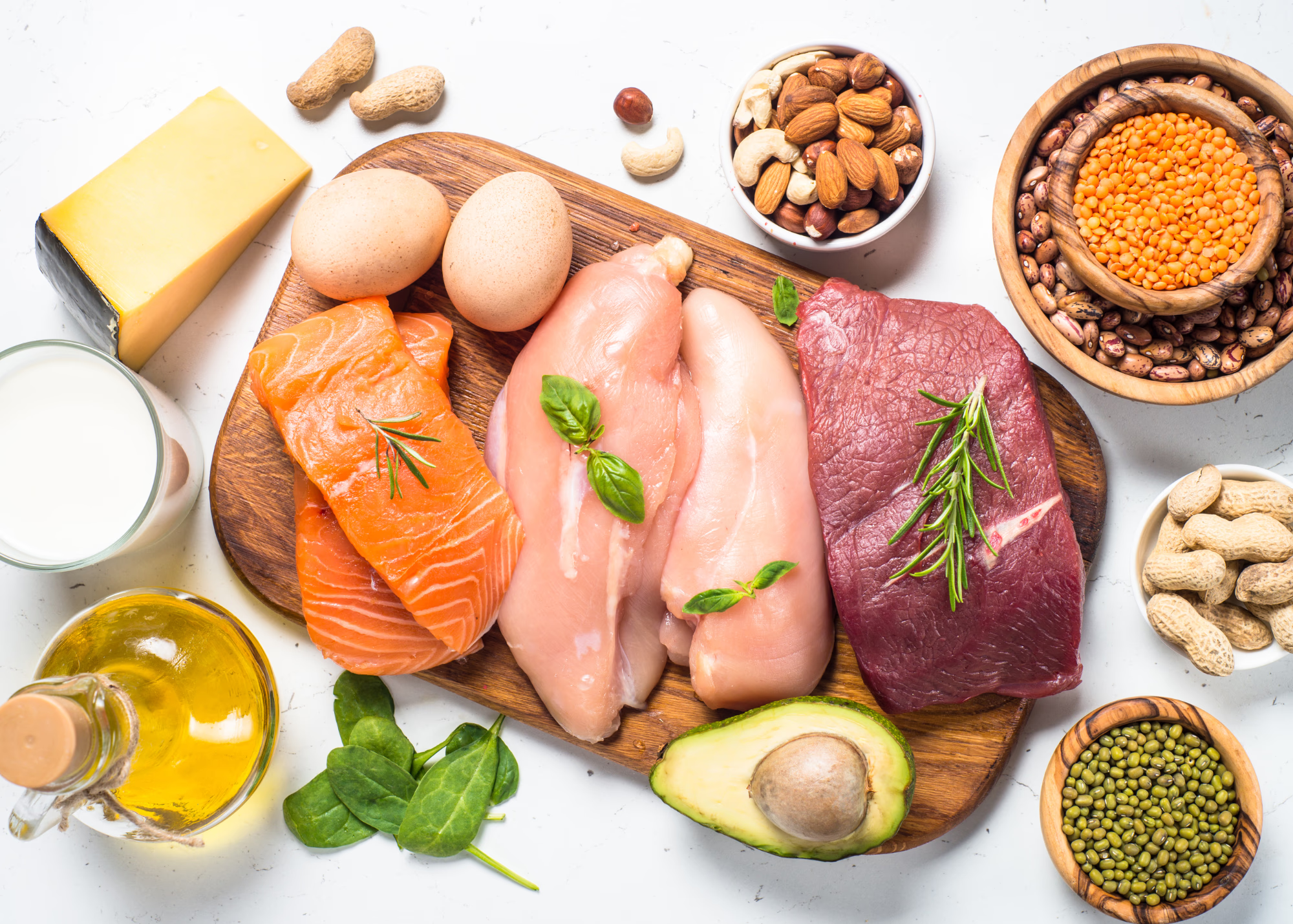
Not all vegetarian proteins are created equal. Some priority options:
- Paneer — roughly 18g protein per 100g
- Greek yogurt or hung curd — around 10g per 100g
- Lentils (dal) — 9g per 100g cooked
- Tofu — 8g per 100g
- Chickpeas and rajma — 8-9g per 100g cooked
- Whey or plant protein powder — 20-25g per scoop
Combining grains and legumes (like dal-chawal or roti-rajma) gives you a more complete amino acid profile, since plant proteins individually often lack one or two essential amino acids.
Sample Daily Meal Structure
Here’s a rough framework, not a rigid prescription — adjust based on your calorie needs:
- Breakfast: Paneer bhurji with 2 rotis + a glass of milk (~35g protein)
- Mid-morning: Handful of roasted chana or a protein shake (~20g protein)
- Lunch: Dal, rajma or chole, roti, and a side of curd (~30g protein)
- Evening snack: Greek yogurt with nuts (~15g protein)
- Dinner: Tofu or paneer sabzi with quinoa or brown rice (~30g protein)
[link to related guide about strength training here]
Common Mistakes Vegetarians Make
I’ve noticed the biggest issue isn’t lack of options — it’s under-eating protein overall because meals feel “filling” without actually hitting protein targets. A plate of rice and vegetable curry might feel like a full meal but could contain under 10g of protein.
- Relying too heavily on carbs without pairing protein
- Skipping protein at breakfast (the most commonly missed meal)
- Not tracking intake at all, just guessing
Should You Use Protein Supplements
Whey protein isn’t strictly vegetarian-only but works fine if you consume dairy. For strict vegetarians avoiding whey concerns, pea protein or soy protein isolate are solid alternatives. Supplements aren’t mandatory, but they make hitting higher protein targets significantly easier, especially post-workout.
Quick answer: Protein supplements aren’t necessary on a high protein vegetarian diet, but they make it considerably easier to hit daily targets, especially for people who train intensely and struggle to eat enough whole-food protein through meals alone.
Timing Your Protein Intake
Spreading protein across the day (rather than loading it all at dinner) helps with muscle protein synthesis. Aim for roughly 25-35g of protein per meal, spaced 3-4 hours apart, rather than one massive protein-heavy dinner.
Don’t Ignore Overall Calories
Even a perfect high protein vegetarian diet won’t build muscle if you’re in a calorie deficit. Muscle gain requires a slight calorie surplus (roughly 200-300 extra calories daily) alongside adequate protein and resistance training.
Frequently Asked Questions
Q: Can vegetarians build muscle as effectively as non-vegetarians? Yes — studies show vegetarians can build muscle at similar rates to non-vegetarians when protein intake and training are properly matched.
Q: Is paneer or tofu better for muscle gain? Paneer has slightly more protein per 100g, but tofu is lower in saturated fat — both work well depending on your other dietary needs.
Q: Do I need protein powder if I’m vegetarian? Not mandatory, but it helps significantly if you struggle to hit protein targets through whole foods alone, especially on busy days.
Q: How long before I see muscle gain results? Most people notice visible changes within 8-12 weeks of consistent high-protein eating combined with resistance training.
Q: Can I get enough protein from dal alone? Not efficiently on its own — pairing dal with rice or roti improves the amino acid profile, but you’ll still need additional protein sources like paneer or dairy.
Conclusion
A well-structured high protein vegetarian diet genuinely works for muscle gain — it just needs more planning than a meat-based diet. Start by tracking your protein intake for three days this week; most people are surprised by how far short of their target they actually fall.
Suggested alt text: “High protein vegetarian diet meal with paneer and dal” Suggested alt text: “Vegetarian protein sources for muscle gain diet plan”