There’s no magic food that’ll double your metabolism overnight — let’s get that out of the way first. But certain foods that boost metabolism can genuinely give your body a small, meaningful edge, especially when combined with proper eating patterns and activity.
I used to be skeptical of the whole “metabolism-boosting foods” idea, honestly thought it was mostly marketing fluff. Then I actually looked into the research, and while the effect of individual foods that boost metabolism is modest, it’s real — and it adds up over time.
How Metabolism Actually Works
Your metabolism is influenced by muscle mass, age, genetics, and activity level far more than any single food. But certain foods do trigger a temporary increase in calorie burning through a process called the thermic effect of food (TEF) — basically, the energy your body spends digesting what you eat.
Quick answer: Foods that boost metabolism work mainly through the thermic effect of food — protein-rich foods, in particular, require roughly 20-30% of their calories just to digest, compared to 5-10% for fats and carbs, giving a modest but real metabolic edge.
Protein-Rich Foods Lead the Pack
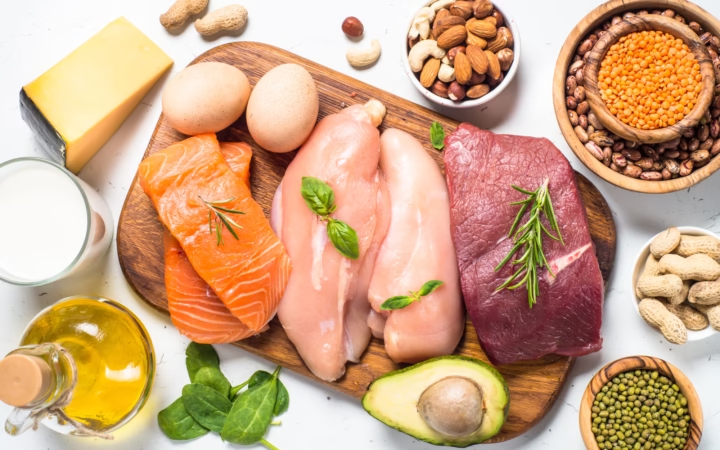
Protein has the highest thermic effect of any macronutrient. Eggs, lentils, paneer, fish, and lean meats all require more energy to digest than carbs or fats.
- Eggs — high protein, keeps you full longer too
- Lentils and legumes — protein plus fiber, a double benefit
- Greek yogurt — protein-rich with gut-friendly probiotics
- Fish like salmon — protein plus omega-3s
Spicy Foods and Capsaicin
Green chilies, red chili powder, and other capsaicin-containing foods can temporarily boost calorie burning by a small percentage through a mild thermogenic effect. It’s not dramatic, but it’s a nice bonus if you already enjoy spicy food.
[link to related guide about weight loss tips here]
Green Tea and Coffee
Caffeine and catechins in green tea have shown modest metabolism-boosting effects in research. A cup or two of green tea or black coffee daily (without loading it with sugar) can provide a small, temporary metabolic bump.
Quick answer: Green tea and coffee, thanks to caffeine and plant compounds called catechins, can modestly and temporarily increase calorie burning — studies suggest effects in the range of 3-11% over a few hours, though results vary by individual.
Fiber-Rich Foods
Whole grains, vegetables, and legumes take longer to digest, which keeps your metabolism steadily engaged and helps regulate blood sugar, avoiding the crashes that lead to overeating later.
- Oats
- Whole wheat roti instead of refined flour
- Vegetables like broccoli, spinach, and carrots
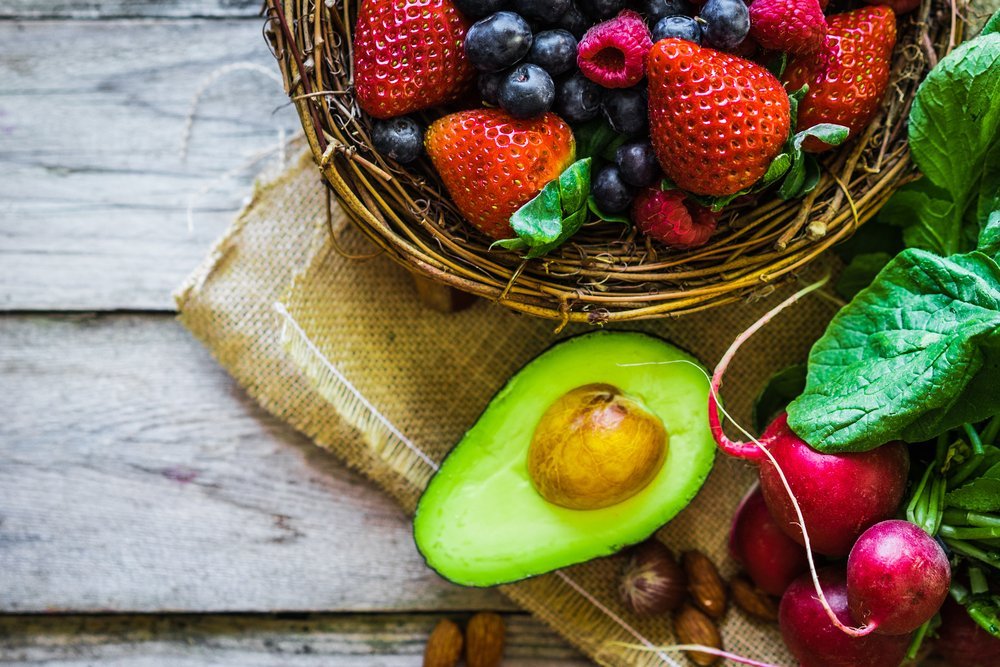
- Whole fruits (not juice — fiber gets lost in juicing)
Water — The Most Underrated Factor
Drinking enough water, and specifically cold water, requires your body to expend a small amount of energy warming it up. Staying properly hydrated also keeps your metabolism functioning at its baseline efficiently — dehydration can actually slow it down.
Building Muscle Beats Any Single Food
Here’s the thing nobody wants to hear: no food comes close to the metabolic impact of building muscle mass. Muscle tissue burns more calories at rest than fat tissue, so strength training does more for long-term metabolism than any dietary tweak.
What Doesn’t Actually Work
Be skeptical of “metabolism-boosting” teas, powders, and supplements sold with dramatic claims. Most have negligible actual impact and some are just caffeine and marketing dressed up in fancy packaging.
Frequently Asked Questions
Q: Can foods that boost metabolism help with weight loss alone? They can support weight loss modestly, but overall calorie balance and activity level matter far more than any specific food choice.
Q: How much does spicy food actually boost metabolism? Research suggests a small, temporary increase — often just a few percent — not a dramatic fat-burning effect on its own.
Q: Is green tea better than coffee for metabolism? Both offer benefits; green tea has additional catechins while coffee has more caffeine — either can work depending on your preference and caffeine tolerance.
Q: Does eating more frequently boost metabolism? Not significantly — total daily calorie and protein intake matters more than meal frequency, contrary to popular belief.
Q: Are metabolism-boosting supplements safe? Many are unregulated and their claims overstated — it’s generally safer and more effective to focus on whole foods and activity instead.
Conclusion
Foods that boost metabolism offer a real but modest advantage — they work best as part of a broader approach that includes protein, fiber, hydration, and regular movement. Don’t expect miracles from any single ingredient; expect small, steady gains that add up over months.
Suggested alt text: “Foods that boost metabolism including eggs, lentils, and green tea” Suggested alt text: “High protein and fiber rich meal for metabolism boost”