Irregular periods for months, sudden acne in your late 20s, hair thinning that doesn’t make sense — and then a doctor mentions PCOS almost casually. If this sounds familiar, understanding PCOS symptoms and treatment properly, beyond just “lose weight and it’ll go away,” genuinely matters.
A close friend of mine was told for two years that her irregular cycles were “just stress” before anyone actually tested for PCOS. That delay is common, unfortunately, which is exactly why knowing real PCOS symptoms and treatment options helps you advocate for yourself with doctors.
What PCOS Actually Is
Polycystic Ovary Syndrome is a hormonal condition affecting how ovaries function, involving elevated androgens (male hormones), irregular ovulation, and often insulin resistance. It affects an estimated 1 in 5 women in India, though many remain undiagnosed for years.
Quick answer: PCOS is a hormonal disorder characterized by irregular periods, elevated androgen levels, and often insulin resistance — it affects roughly 1 in 5 women in India, though symptoms and severity vary significantly from person to person.
Common Symptoms to Watch For
- Irregular or absent periods (fewer than 8-9 cycles a year)
- Excess facial or body hair growth (hirsutism)
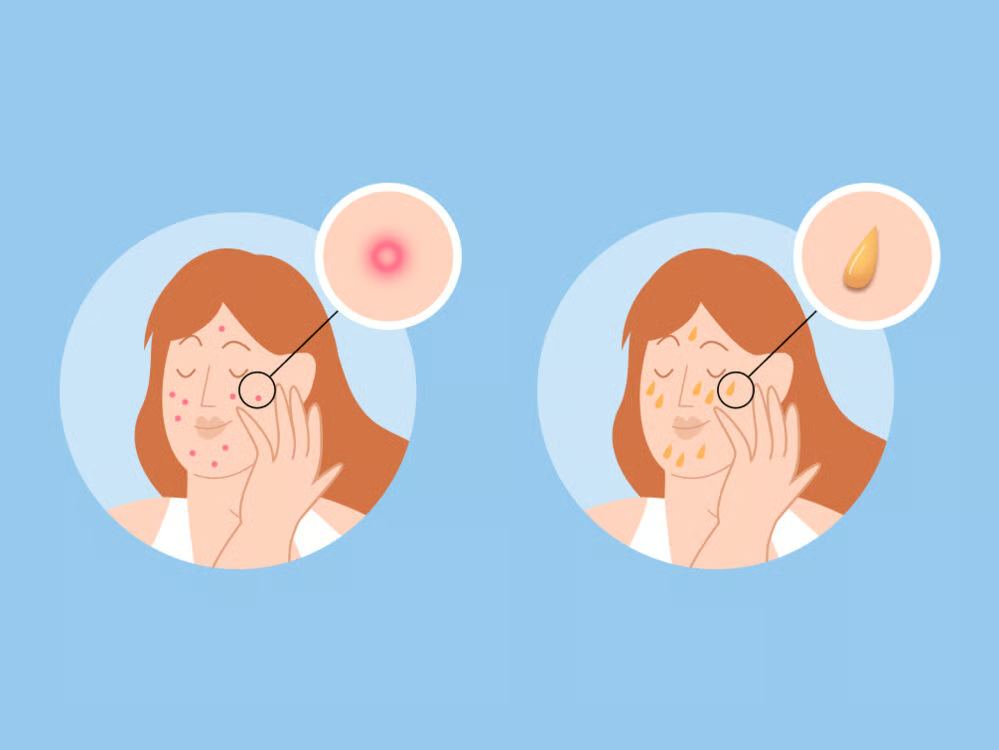
- Persistent acne, often along the jawline
- Thinning hair on the scalp
- Difficulty losing weight or unexplained weight gain
- Dark patches of skin, particularly around the neck (acanthosis nigricans)
Not everyone has all these symptoms — PCOS presents differently across individuals, which is part of why it’s often misdiagnosed or missed entirely.
How PCOS Is Diagnosed
Diagnosis typically uses the Rotterdam criteria, requiring at least two of three: irregular ovulation, elevated androgens (via blood test or symptoms), and polycystic-appearing ovaries on ultrasound. Blood tests usually check testosterone, LH, FSH, and insulin levels too.
[link to related guide about hormonal balance here]
Lifestyle-Based Treatment Approaches
Quick answer: For many women with PCOS, losing even 5-10% of body weight can restore more regular ovulation and improve insulin sensitivity significantly — though this isn’t the only or always appropriate treatment path, especially for lean-PCOS cases.
- Regular strength and cardio exercise improves insulin sensitivity
- Reducing refined carbs and sugar helps manage insulin resistance
- Adequate protein and fiber support blood sugar stability
- Stress management, since cortisol interacts with reproductive hormones
Medical Treatment Options
Depending on your goals (managing symptoms, fertility, or both), doctors might recommend:
- Combined oral contraceptives to regulate cycles and reduce androgen symptoms
- Metformin for insulin resistance, sometimes alongside other treatments
- Anti-androgen medications for excess hair growth or acne
- Fertility treatments like Clomiphene if pregnancy is a goal
I’ve noticed a lot of confusion around whether PCOS treatment always means birth control — it doesn’t, and options really do depend on your specific symptoms and life stage.
Managing Mental Health Alongside PCOS
PCOS is linked to higher rates of anxiety and depression, partly due to hormonal factors and partly due to the frustration of visible symptoms like acne and weight changes. This part often gets overlooked in treatment conversations, but it deserves equal attention.
Long-Term Health Considerations
Untreated PCOS is associated with increased risk of type 2 diabetes, cardiovascular issues, and endometrial concerns over time. This is exactly why ongoing management matters, even during periods when symptoms feel manageable.
Frequently Asked Questions
Q: Can PCOS be cured completely? There’s no outright cure, but symptoms can be effectively managed long-term through lifestyle changes and, when needed, medication.
Q: Does PCOS always cause infertility? No — many women with PCOS conceive naturally or with fertility support; it can make ovulation less predictable, not impossible.
Q: Is PCOS only related to weight? No — “lean PCOS” exists in women at a normal weight, showing the condition is hormonal, not purely weight-related.
Q: How is PCOS different from having ovarian cysts? PCOS is a broader hormonal syndrome; having occasional ovarian cysts alone doesn’t necessarily mean you have PCOS.
Q: What tests confirm a PCOS diagnosis? Typically a combination of blood hormone tests, an ultrasound, and symptom evaluation using the Rotterdam criteria.
Conclusion
Understanding real PCOS symptoms and treatment options empowers you to push for proper testing instead of accepting vague explanations for your symptoms. If several of these signs sound familiar, bring them up specifically with your doctor and ask directly about PCOS testing.
Suggested alt text: “Woman discussing PCOS symptoms and treatment with doctor” Suggested alt text: “Lifestyle changes supporting PCOS symptoms and treatment plan”