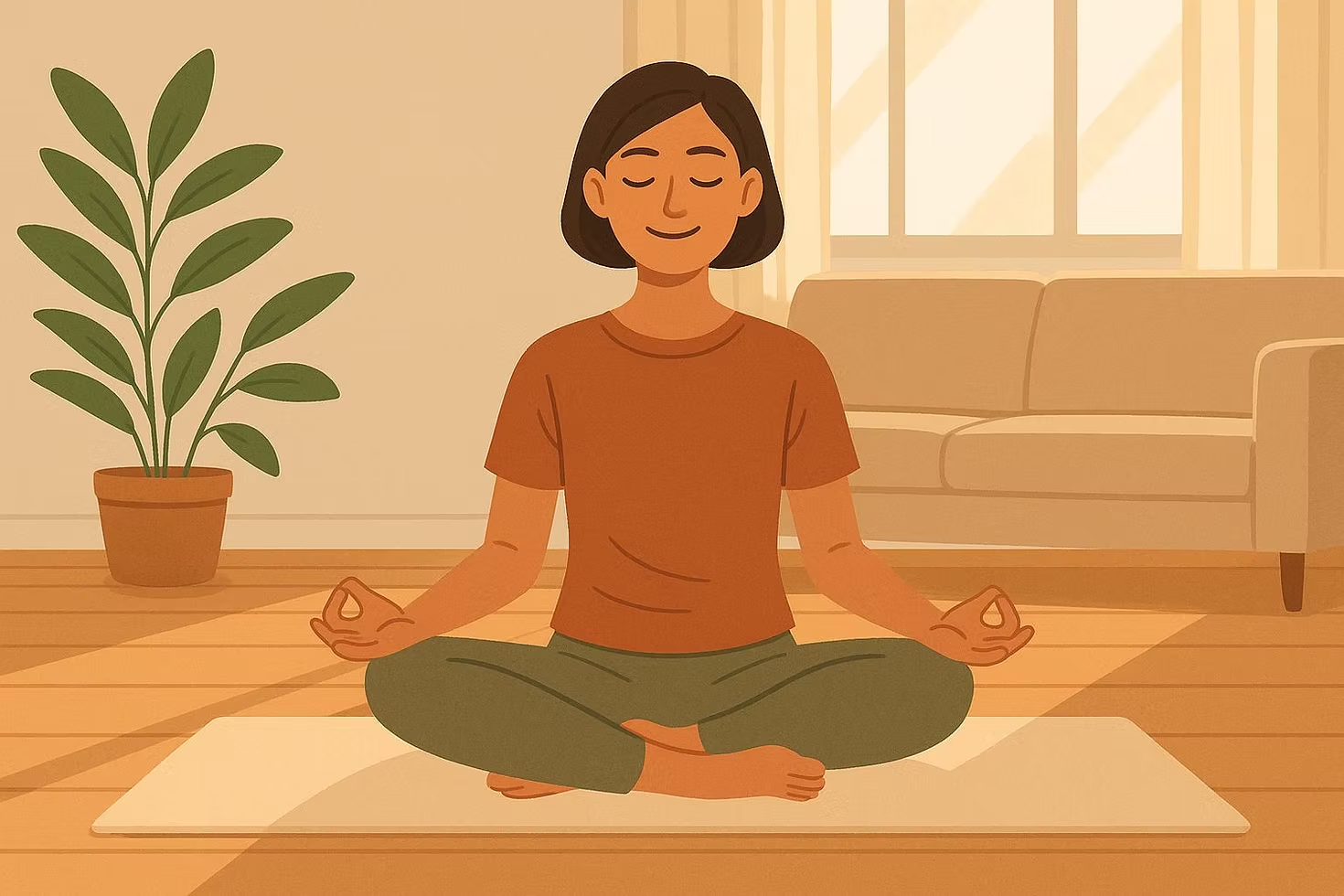
That tight feeling in your chest before a meeting. The racing thoughts at 2 AM about something that probably won’t even happen. If you’ve dealt with this, you already know that reading “just relax” helps exactly zero. Learning how to manage anxiety in daily life takes actual, practical tools — not vague advice.
I dealt with fairly bad anxiety during a stretch of work stress a few years back, and honestly, the generic tips annoyed me at first. What actually helped was building a toolkit of specific things to do in the moment, rather than one big fix. That’s really what how to manage anxiety comes down to — small, repeatable tools.
Understand What Anxiety Actually Is
Anxiety is your body’s alarm system, often firing when there’s no real danger present. Understanding this doesn’t make it disappear, but it does help you respond to it differently — as a false alarm to manage, not a truth to obey.
Quick answer: Anxiety is your nervous system’s fight-or-flight response activating without an actual physical threat present — understanding this can help you respond to symptoms with grounding techniques instead of panic about the panic itself.
The 5-4-3-2-1 Grounding Technique
When anxiety spikes, this sensory technique pulls your brain out of spiraling thoughts and back into the present:
- Name 5 things you can see
- Name 4 things you can touch
- Name 3 things you can hear
- Name 2 things you can smell
- Name 1 thing you can taste
It sounds almost too simple to work, but engaging your senses genuinely interrupts the anxious thought loop.
Controlled Breathing Actually Helps
Box breathing — inhale for 4 counts, hold for 4, exhale for 4, hold for 4 — activates your parasympathetic nervous system, the part responsible for calming you down. Do this for 2-3 minutes when you feel anxiety building.
[link to related guide about signs of burnout here]
Limit Anxiety-Feeding Habits
Certain habits quietly make anxiety worse without us noticing:
- Excessive caffeine, especially past noon
- Doomscrolling news or social media before bed
- Skipping meals, which affects blood sugar and mood
- Chronic sleep deprivation
I’ve noticed cutting back on afternoon coffee alone made a noticeable difference in my baseline anxiety levels within about two weeks.
Challenge Catastrophic Thinking
Anxiety often jumps straight to worst-case scenarios. When you catch yourself doing this, ask: what’s the actual evidence for this outcome? What’s a more realistic possibility? This isn’t about forcing false positivity — it’s about interrupting an unhelpful thought pattern with a more accurate one.
Quick answer: Challenging catastrophic thinking means pausing to ask what evidence actually supports your worst-case fear, and what a more realistic outcome might look like — a simple cognitive shift that can reduce anxiety’s intensity over time.
Build Movement Into Your Day
Even a 15-20 minute walk helps process excess adrenaline and cortisol that anxiety produces. You don’t need an intense workout — regular, moderate movement has strong research support for reducing anxiety symptoms.
Create a Worry Window
Instead of letting anxious thoughts intrude all day, set aside 10-15 minutes specifically to worry — write down what’s bothering you during that window. Outside of it, when anxious thoughts arise, remind yourself “I’ll deal with this during worry time” and redirect attention.
Know When to Seek Professional Help
Self-help techniques genuinely help with everyday anxiety, but if it’s significantly affecting your work, relationships, or daily functioning for more than a few weeks, that’s a sign to see a therapist or counselor — not a failure to “manage it yourself” better.
Frequently Asked Questions
Q: Is anxiety always something to be managed with therapy? Not always — mild, situational anxiety often responds well to self-help techniques, but persistent or severe anxiety benefits from professional support.
Q: Can diet actually affect anxiety levels? Yes — excessive caffeine, sugar, and skipped meals can worsen anxiety symptoms for many people, though it varies individually.
Q: How quickly do grounding techniques work? Most people notice some relief within a few minutes of consistent grounding practice, though it takes repeated use to feel natural.
Q: Is it normal to feel anxious without a clear cause? Yes, this is common — anxiety doesn’t always have an obvious trigger, and that’s okay; the coping techniques still apply.
Q: Can exercise really reduce anxiety as much as medication? Research suggests regular exercise can be comparably effective for mild-to-moderate anxiety, though severe cases often need a combined approach.
Conclusion
Learning how to manage anxiety isn’t about eliminating it completely — it’s about building tools that make the difficult moments more manageable. Start with one technique, maybe the breathing exercise, next time you feel that familiar tightness building. Small tools, used consistently, genuinely add up.
Suggested alt text: “Person practicing breathing technique to manage anxiety” Suggested alt text: “Grounding technique exercise for managing anxiety in daily life”