Testosterone levels naturally start declining after 30, roughly 1-2% per year for most men. That sounds small until a decade or two adds up to noticeably lower energy, reduced muscle mass, and a dip in overall drive. Learning how to boost testosterone naturally matters more than most men realize before symptoms actually show up.
A friend in his mid-30s kept blaming his low energy on “just getting older” until bloodwork showed his testosterone was near the bottom of the normal range. A few lifestyle changes later, he felt like a different person. That’s really the point of learning how to boost testosterone naturally — small, specific changes genuinely move the needle.
Why Testosterone Declines With Age
This decline is normal to some degree, but lifestyle factors — poor sleep, excess body fat, chronic stress, sedentary behavior — accelerate it well beyond what aging alone would cause.
Quick answer: While testosterone naturally declines about 1-2% yearly after 30, lifestyle factors like poor sleep, excess body fat, and chronic stress significantly accelerate this decline — meaning much of the drop is modifiable, not purely a fixed aging process.
Prioritize Strength Training
Resistance training, particularly compound movements like squats and deadlifts, has consistently shown positive effects on testosterone levels in research. Aim for 3-4 sessions weekly focusing on major muscle groups.
[link to related guide about strength training after 40 here]
Get Adequate, Quality Sleep
Quick answer: Sleep deprivation has one of the strongest documented negative effects on testosterone — one study found just one week of 5-hour sleep reduced testosterone levels by 10-15% in young healthy men, making sleep arguably the single highest-leverage factor.
Aim for 7-8 hours consistently. This is genuinely non-negotiable if testosterone optimization is a real goal, not just a nice-to-have.
Manage Body Fat, Especially Visceral Fat
Excess body fat, particularly around the abdomen, converts testosterone to estrogen through an enzyme called aromatase. Losing even modest amounts of excess weight can meaningfully improve testosterone levels for overweight men.
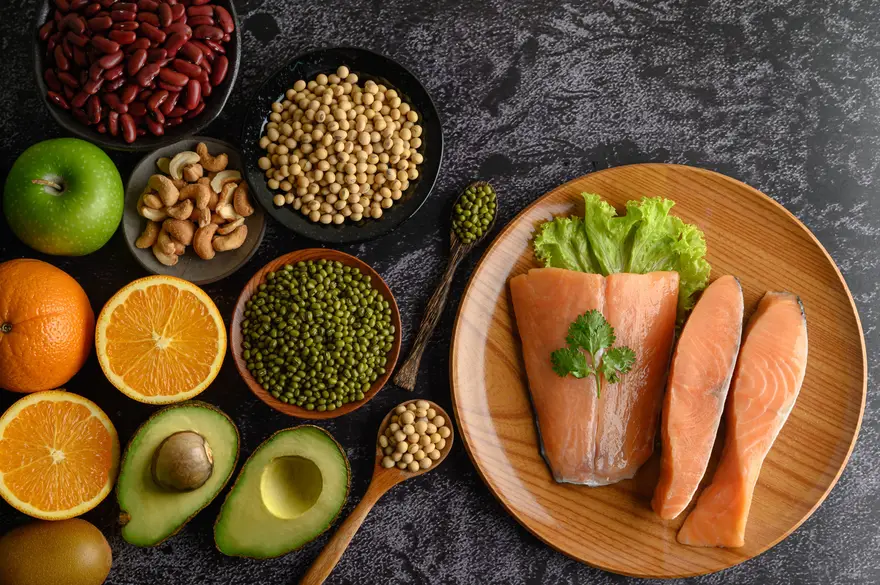
Get Enough Healthy Fats and Key Nutrients
Extremely low-fat diets can hurt testosterone production since hormones are synthesized from cholesterol. Include:
- Healthy fats — nuts, seeds, ghee, olive oil
- Zinc-rich foods — pumpkin seeds, chickpeas, dairy
- Vitamin D — sunlight exposure or supplementation if deficient
- Adequate overall protein and calories, especially if training hard
Manage Chronic Stress
Elevated cortisol from chronic stress directly suppresses testosterone production — they’re somewhat inversely related hormonally. Regular movement, adequate rest, and stress-reduction practices support healthier testosterone levels indirectly but meaningfully.
Limit Alcohol Consumption
Excessive alcohol intake has a documented negative impact on testosterone production, particularly with heavy or chronic drinking. Moderate consumption occasionally is unlikely to cause significant issues, but regular heavy drinking is worth reconsidering.
When to Get Tested Instead of Guessing
If you’re experiencing persistent fatigue, low libido, difficulty building muscle despite training, or mood changes, a simple blood test can check actual testosterone levels rather than assuming based on symptoms alone.
Quick answer: If lifestyle changes haven’t improved persistent symptoms like low energy, reduced libido, or difficulty building muscle after 2-3 months, a blood test checking total and free testosterone levels can clarify whether medical evaluation is needed.
Frequently Asked Questions
Q: Can testosterone levels be boosted without medication? Yes, for many men with mildly low-normal levels, lifestyle changes around sleep, exercise, and body composition can meaningfully improve levels naturally.
Q: Do testosterone-boosting supplements actually work? Most over-the-counter supplements have weak evidence behind them — proven lifestyle factors like sleep and resistance training show far stronger, more consistent effects.
Q: At what age should men get testosterone levels checked? If experiencing symptoms, testing can happen at any age — otherwise, checking baseline levels around 35-40 as part of a general health checkup is reasonable.
Q: Can weight loss alone significantly raise testosterone? For overweight or obese men, yes — studies show meaningful testosterone improvements with significant weight loss, particularly loss of visceral fat.
Q: Is low testosterone always a medical problem needing treatment? Not always — mild age-related decline is normal, but significantly low levels with symptoms should be evaluated by a doctor for proper management.
Conclusion
Learning how to boost testosterone naturally comes down to a handful of consistent, unglamorous habits — sleep, strength training, managing body fat, and reducing chronic stress. Start with your sleep schedule this week; it’s the single most impactful change most men can make immediately.
Suggested alt text: “Man doing strength training to boost testosterone naturally” Suggested alt text: “Healthy meal supporting how to boost testosterone naturally”