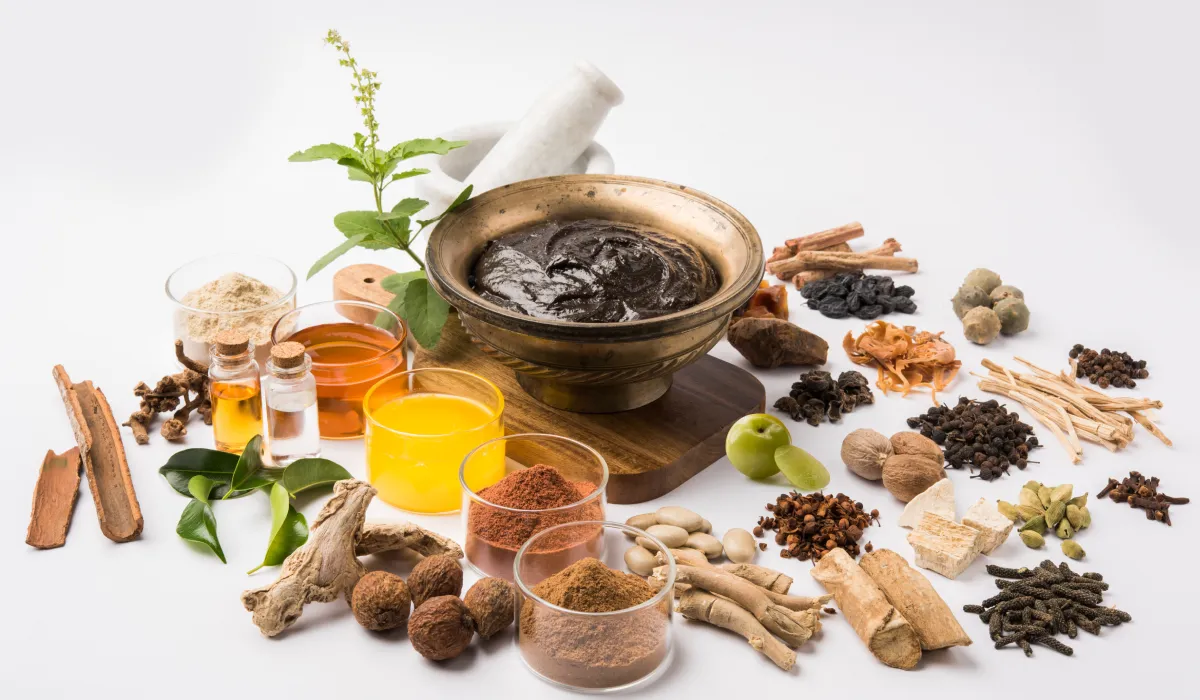
Turmeric milk for a cold. Ginger tea for an upset stomach. Chances are your grandmother had a home remedy for almost everything, long before you ever heard the word “Ayurveda” formally. These ayurvedic remedies have stuck around for thousands of years, and while they’re not a replacement for modern medicine, plenty of them genuinely help with everyday complaints.
I was skeptical of a lot of this growing up, honestly rolled my eyes at my mother’s insistence on haldi doodh for every minor ailment. Then I actually looked into the research behind some of these ayurvedic remedies, and a fair number hold up reasonably well for mild, everyday issues.
Turmeric (Haldi) for Inflammation and Immunity
Turmeric contains curcumin, which has documented anti-inflammatory and antioxidant properties in research. Haldi doodh (turmeric milk) before bed is a traditional remedy for colds and minor aches that has some genuine backing.
Quick answer: Among common ayurvedic remedies, turmeric’s active compound curcumin has the strongest modern research support, showing measurable anti-inflammatory effects — though absorption improves significantly when combined with black pepper, a detail traditional recipes often already include.
Ginger for Digestive Issues
Ginger has well-documented effects on nausea and digestive discomfort, used in Ayurveda for centuries and now also recommended in modern medicine for morning sickness and motion sickness. A simple ginger tea (adrak chai without excess sugar) can genuinely help with mild digestive upset.
[link to related guide about acupuncture for pain relief here]
Tulsi (Holy Basil) for Respiratory Health
Tulsi is commonly used for coughs, colds, and general immune support. Some research suggests it has adaptogenic properties, potentially helping the body manage stress, along with mild antimicrobial effects that support its traditional respiratory uses.
Ashwagandha for Stress and Energy
This adaptogenic herb has actually received significant modern research attention for reducing cortisol levels and supporting stress resilience. Several clinical studies show measurable reductions in perceived stress and improved sleep quality with regular use.
Quick answer: Ashwagandha is one of the more scientifically studied ayurvedic remedies for stress, with clinical trials showing meaningful reductions in cortisol levels and self-reported anxiety — though it should be used under guidance, especially alongside other medications.
Triphala for Digestive Regularity
This combination of three fruits (amla, haritaki, and bibhitaki) is traditionally used for digestive health and mild constipation relief. Some research supports its gentle laxative and digestive-supporting properties, generally considered safe for regular use.
Neem for Skin Concerns
Neem has documented antibacterial and antifungal properties, traditionally used for various skin issues like acne and minor infections. Neem-based products or neem water rinses are common practical applications.
Understanding the Limits of Ayurvedic Remedies
Has this ever happened to you — someone recommends skipping actual medical treatment for a serious condition in favor of home remedies alone? That’s genuinely risky. Ayurvedic remedies work best for mild, everyday complaints and as complementary support, not as replacements for treating serious or chronic medical conditions.
Using Ayurvedic Remedies Safely
- Consult a doctor before combining herbs with prescription medications, since interactions can occur
- Source herbs and supplements from reputable brands, given quality control concerns in unregulated markets
- Don’t delay seeking medical care for serious symptoms in favor of home remedies alone
- Pregnant or breastfeeding women should check with a doctor before using unfamiliar herbs
Frequently Asked Questions
Q: Are ayurvedic remedies scientifically proven? Some, like turmeric and ashwagandha, have decent modern research support; others rely more heavily on traditional use without extensive clinical trials.
Q: Can ayurvedic remedies interact with prescription medications? Yes, certain herbs can interact with blood thinners, diabetes medication, and other drugs — always inform your doctor about any remedies you’re using regularly.
Q: Is Ayurveda safe for children? Some remedies are traditionally used for children, but dosing and appropriateness should be discussed with a pediatrician rather than assumed.
Q: How long before ayurvedic remedies show results? Varies widely by remedy and condition — some, like ginger for nausea, work within minutes, while others like ashwagandha for stress may take several weeks of consistent use.
Q: Should I choose Ayurveda over modern medicine? For serious or acute conditions, modern medicine should take priority — ayurvedic remedies work best as complementary support for mild, everyday health concerns.
Conclusion
Traditional ayurvedic remedies offer genuine, often research-backed support for everyday complaints like mild digestive issues, stress, and minor inflammation. Use them thoughtfully alongside, not instead of, proper medical care when something more serious is going on.
Suggested alt text: “Traditional ayurvedic remedies including turmeric and ashwagandha” Suggested alt text: “Ginger and tulsi used in common ayurvedic remedies”